Food Forests + Edible Landscapes
A Full-Yard Food Forest
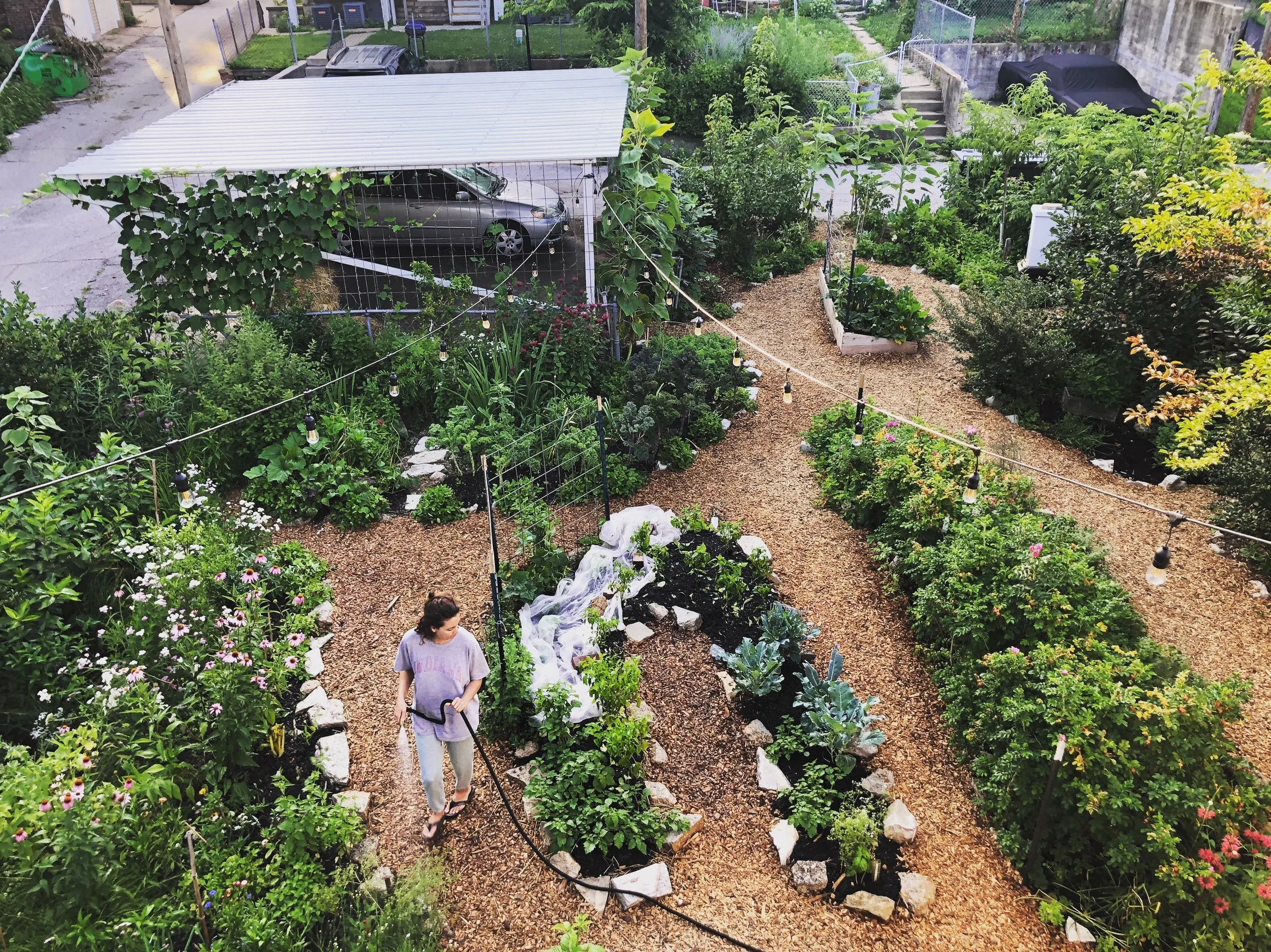
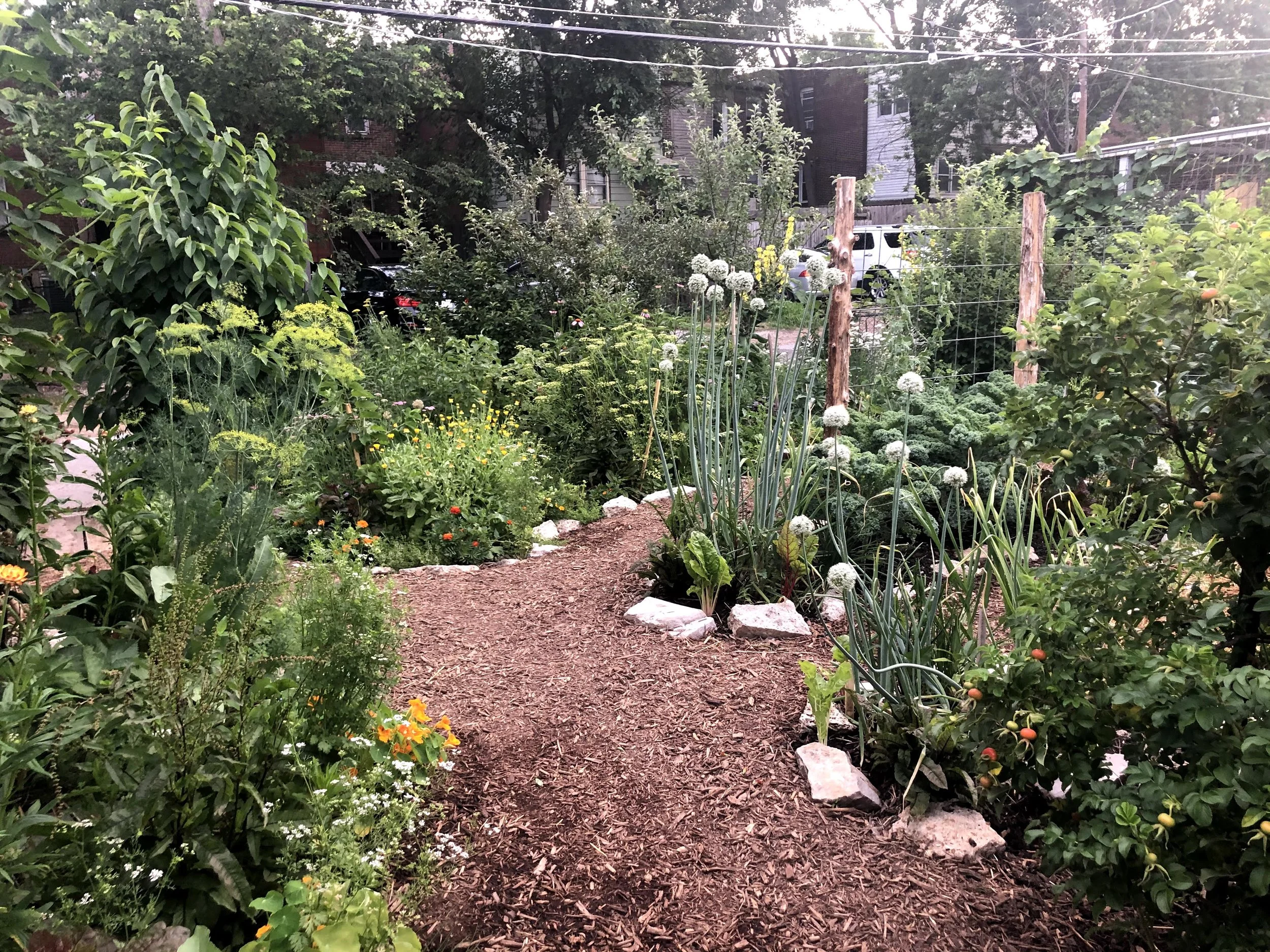
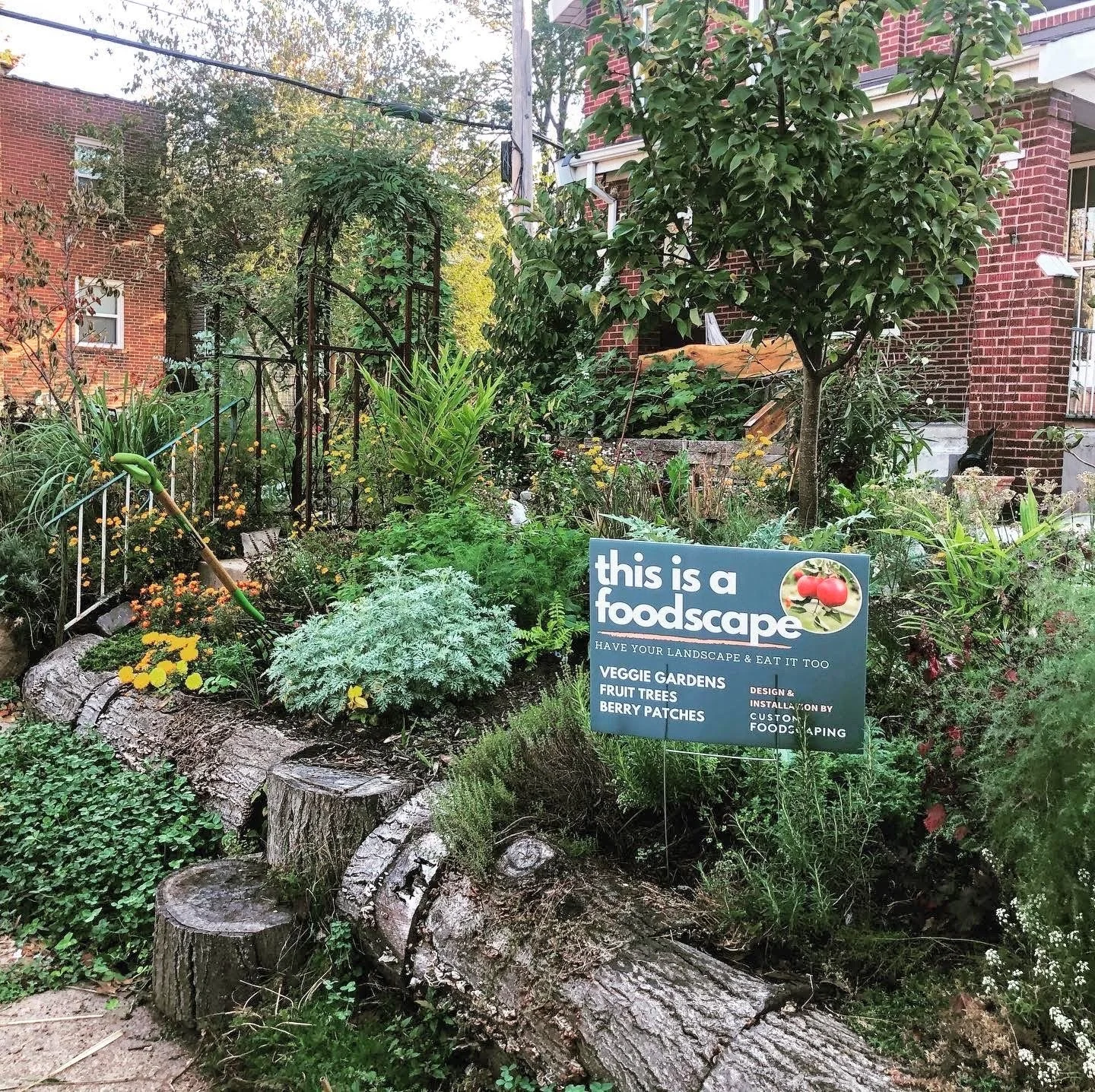
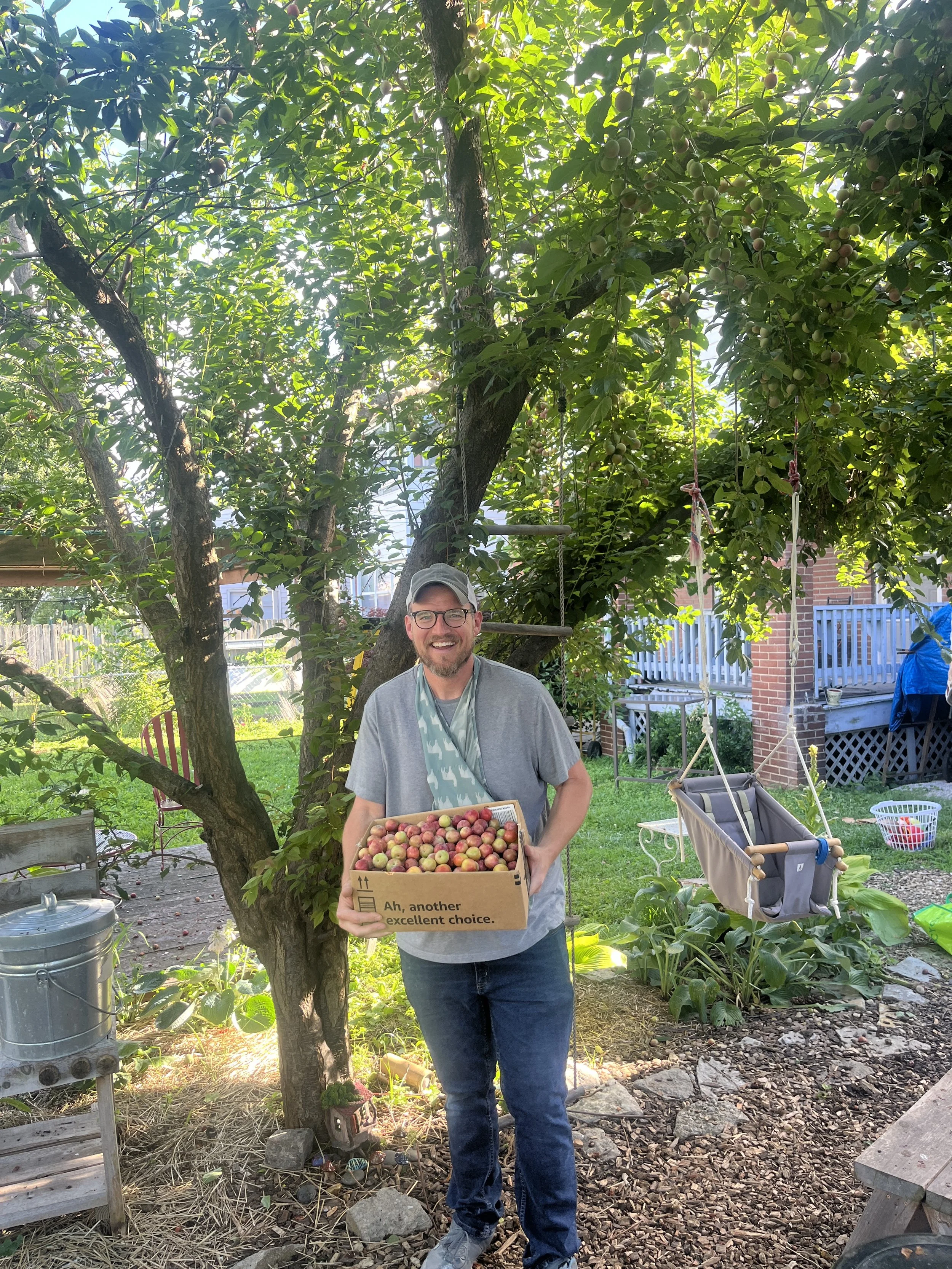
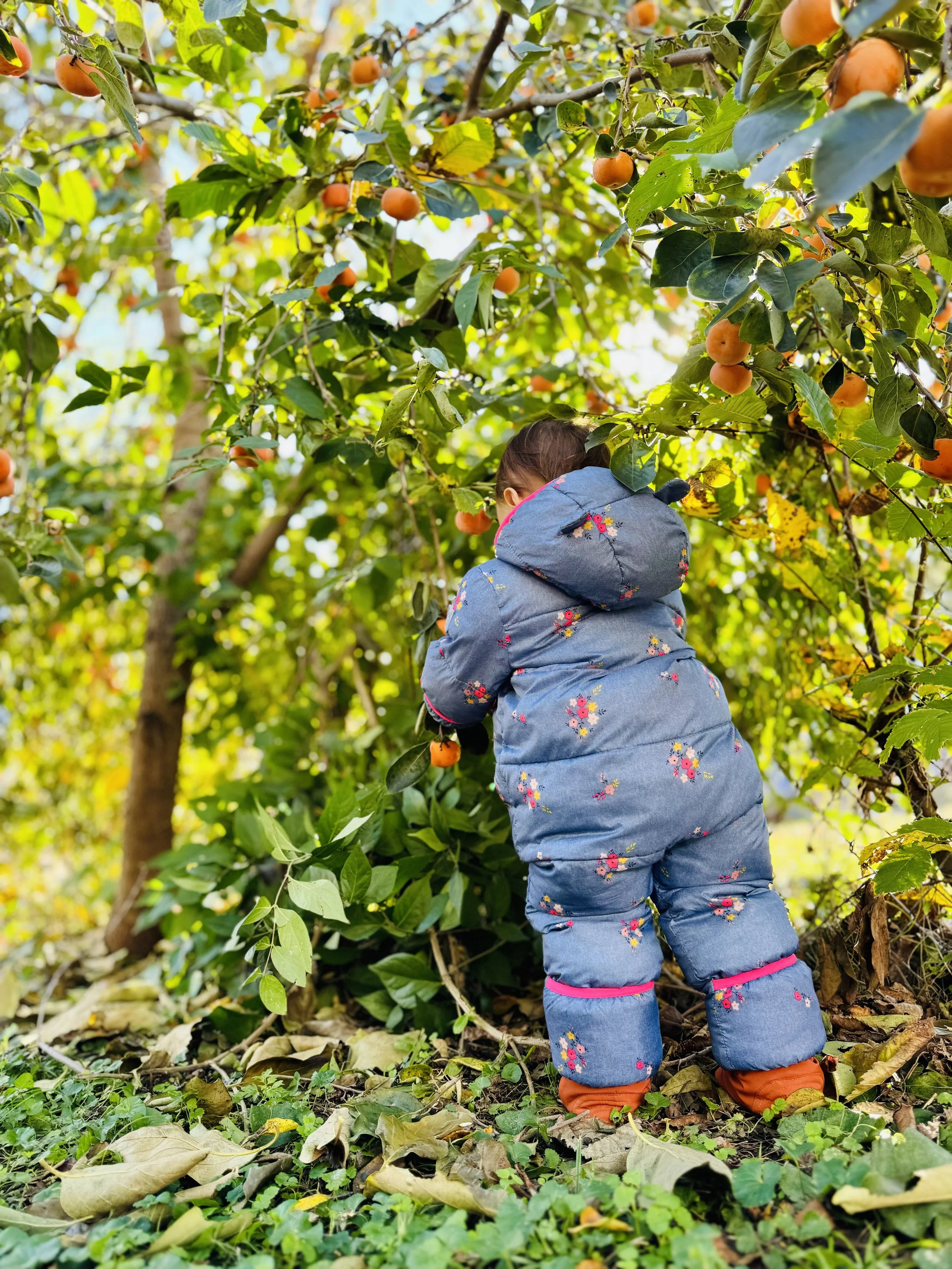
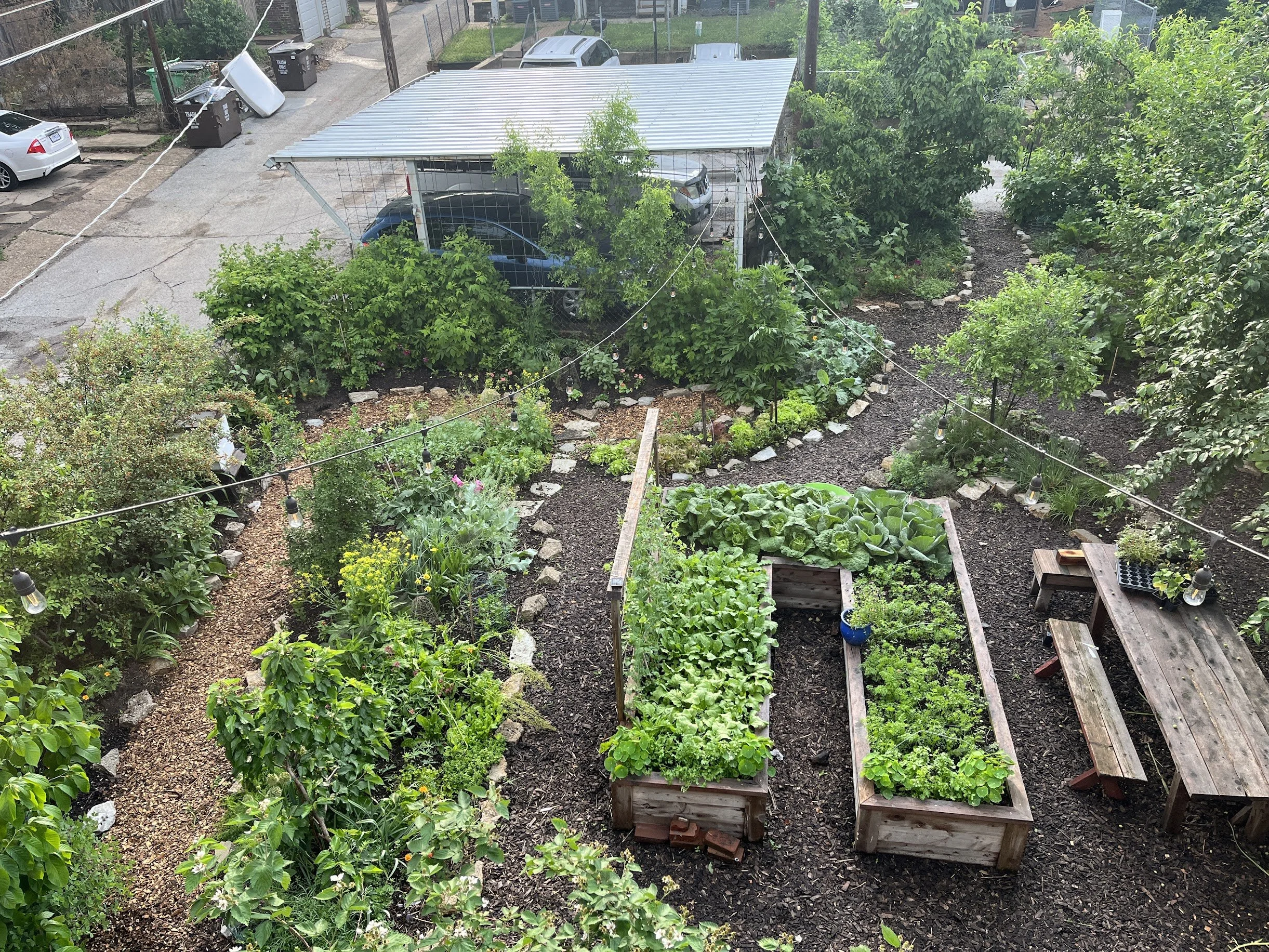
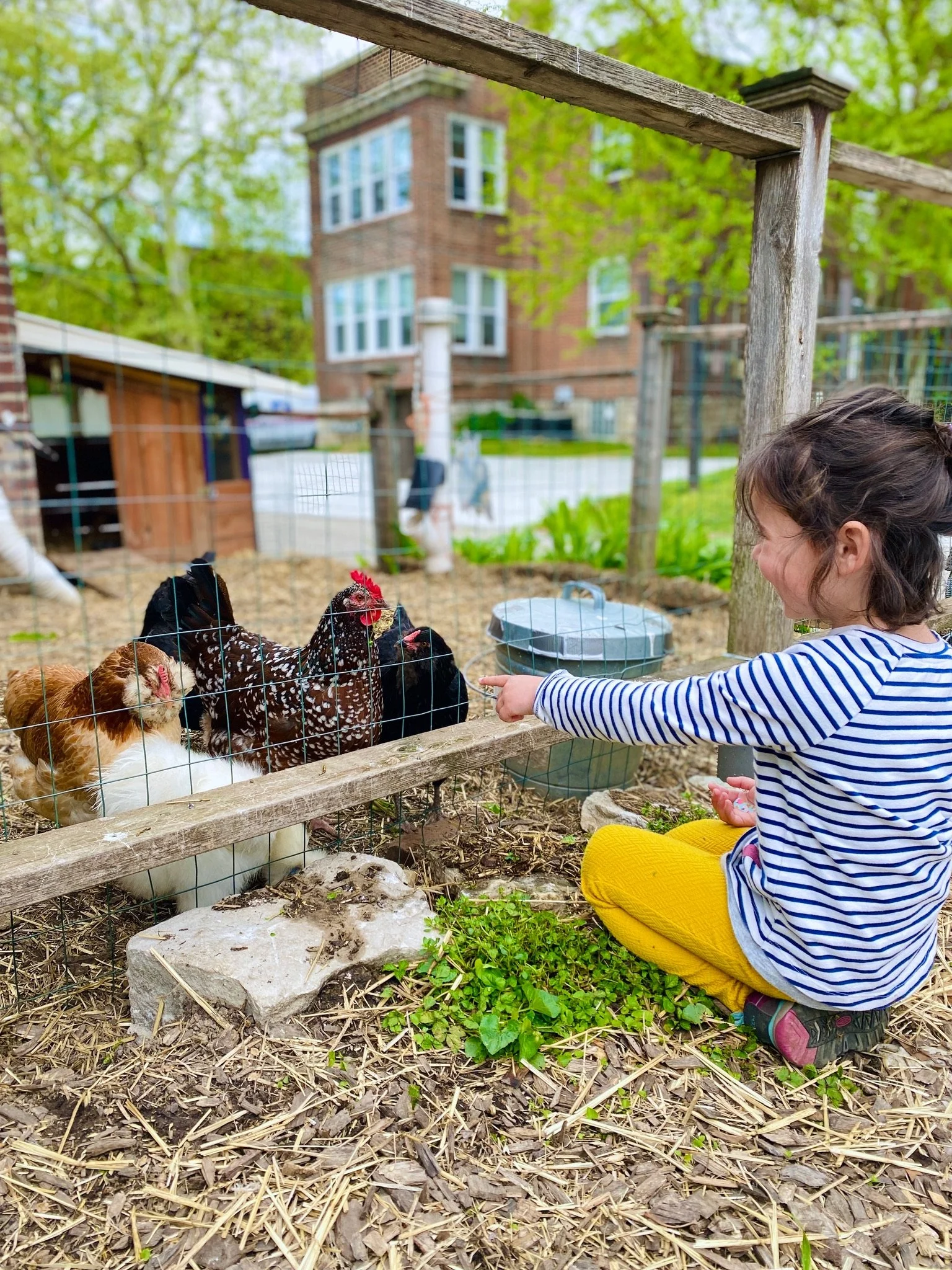
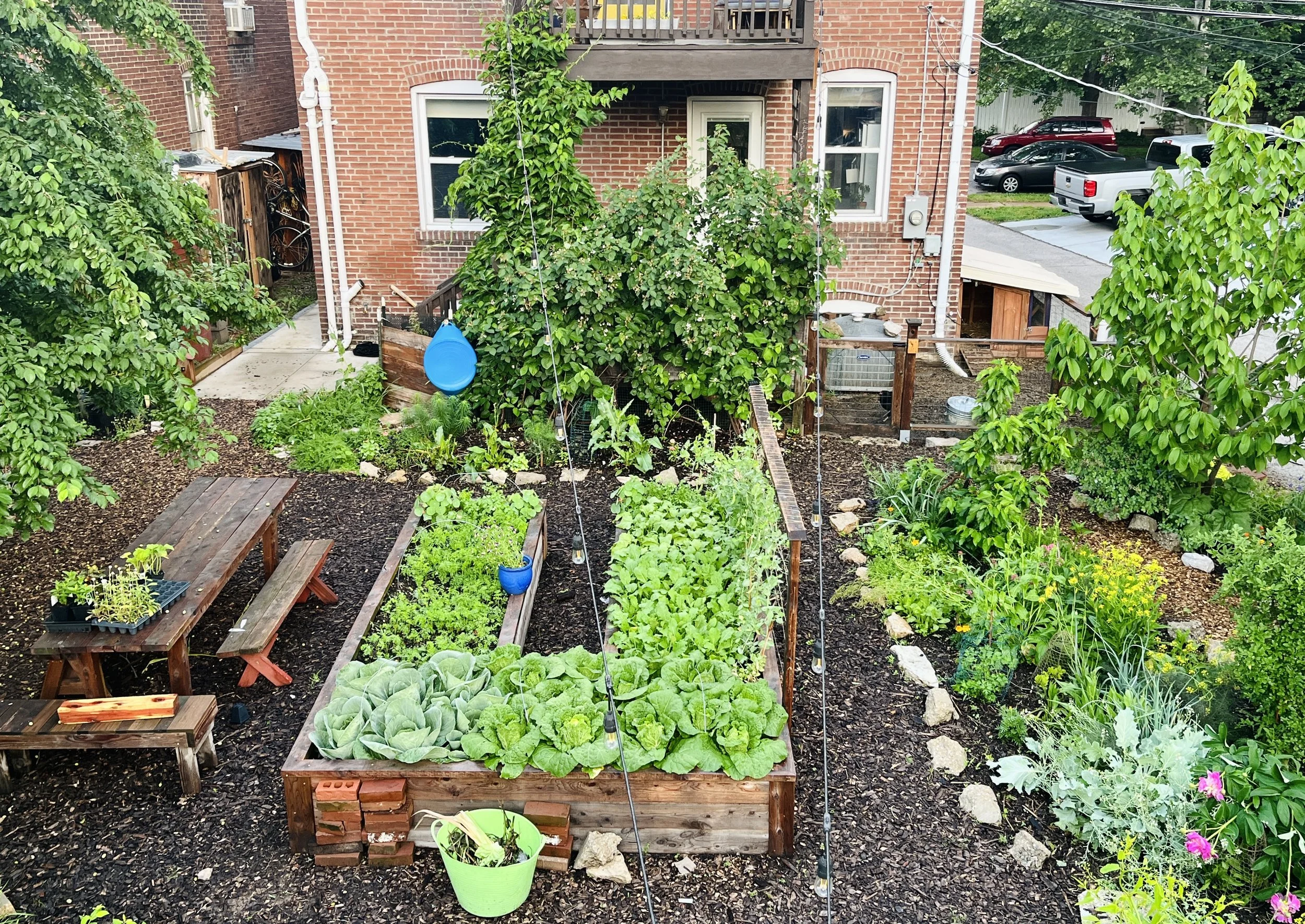
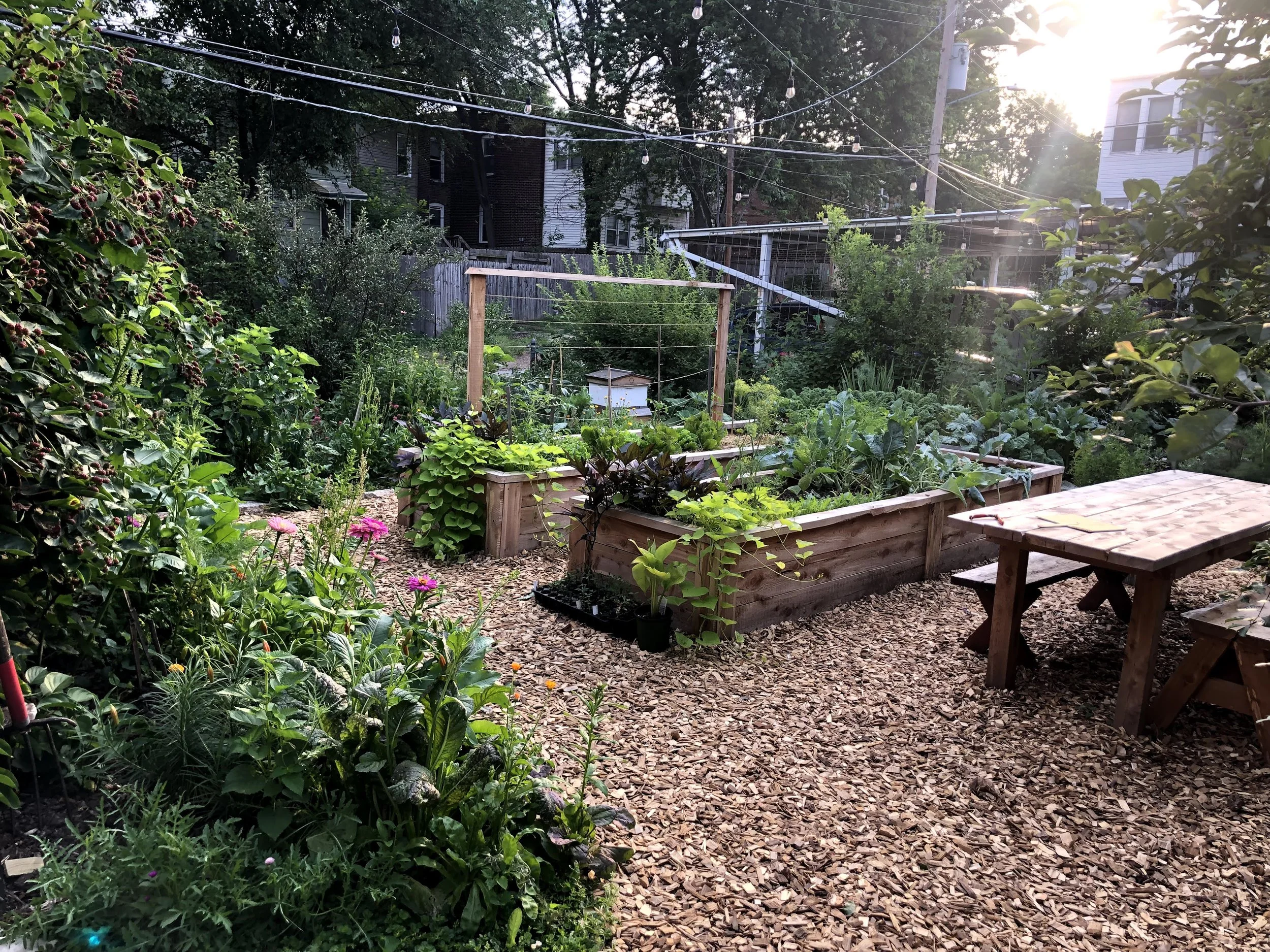
For 10 years, I had the privilege of designing, caring for, and living in this 5,000-square-foot food forest in my St. Louis backyard. What began as an open lawn became a place to grow food, gather with friends, and share the possibilities of edible landscaping.
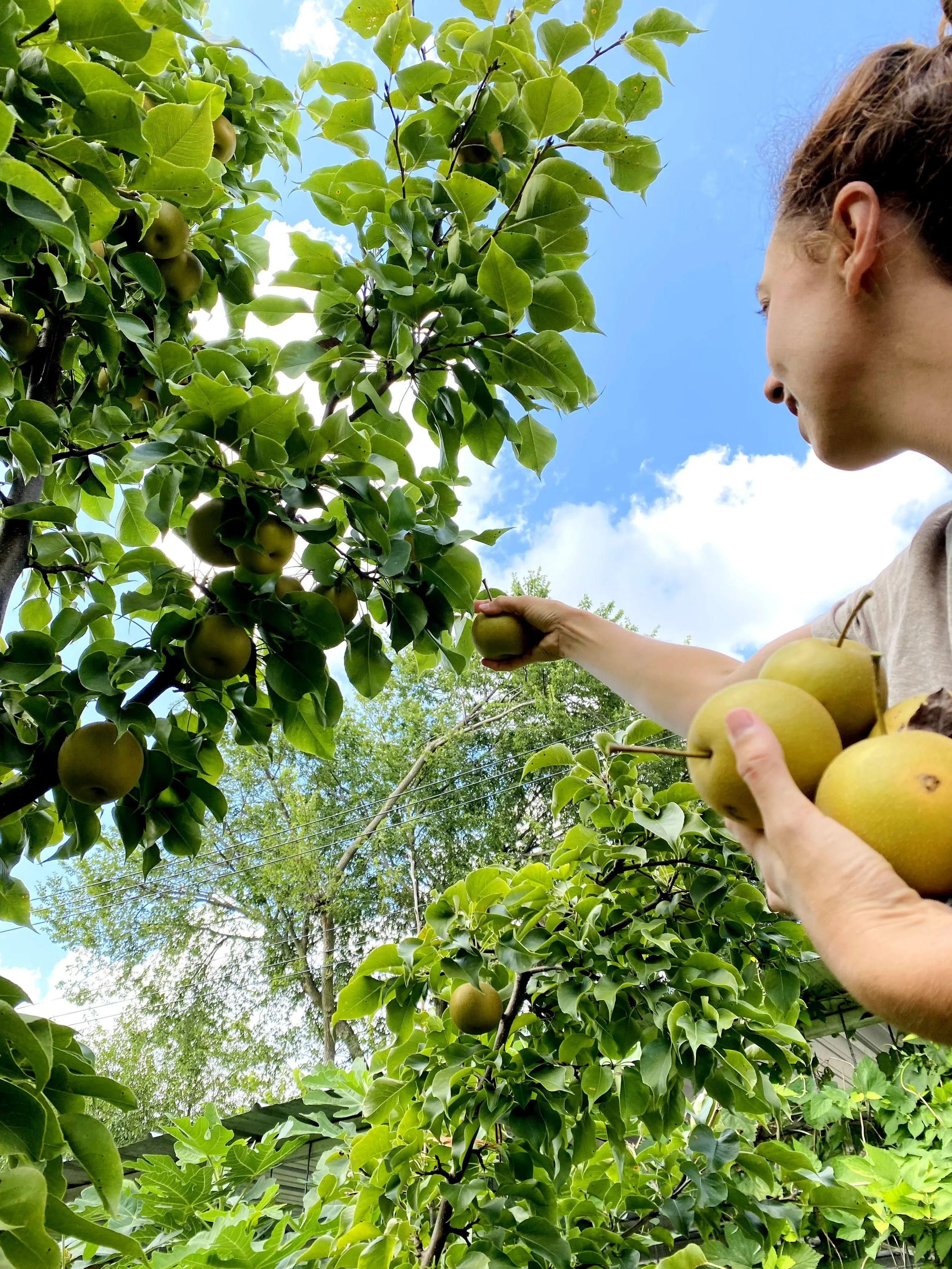
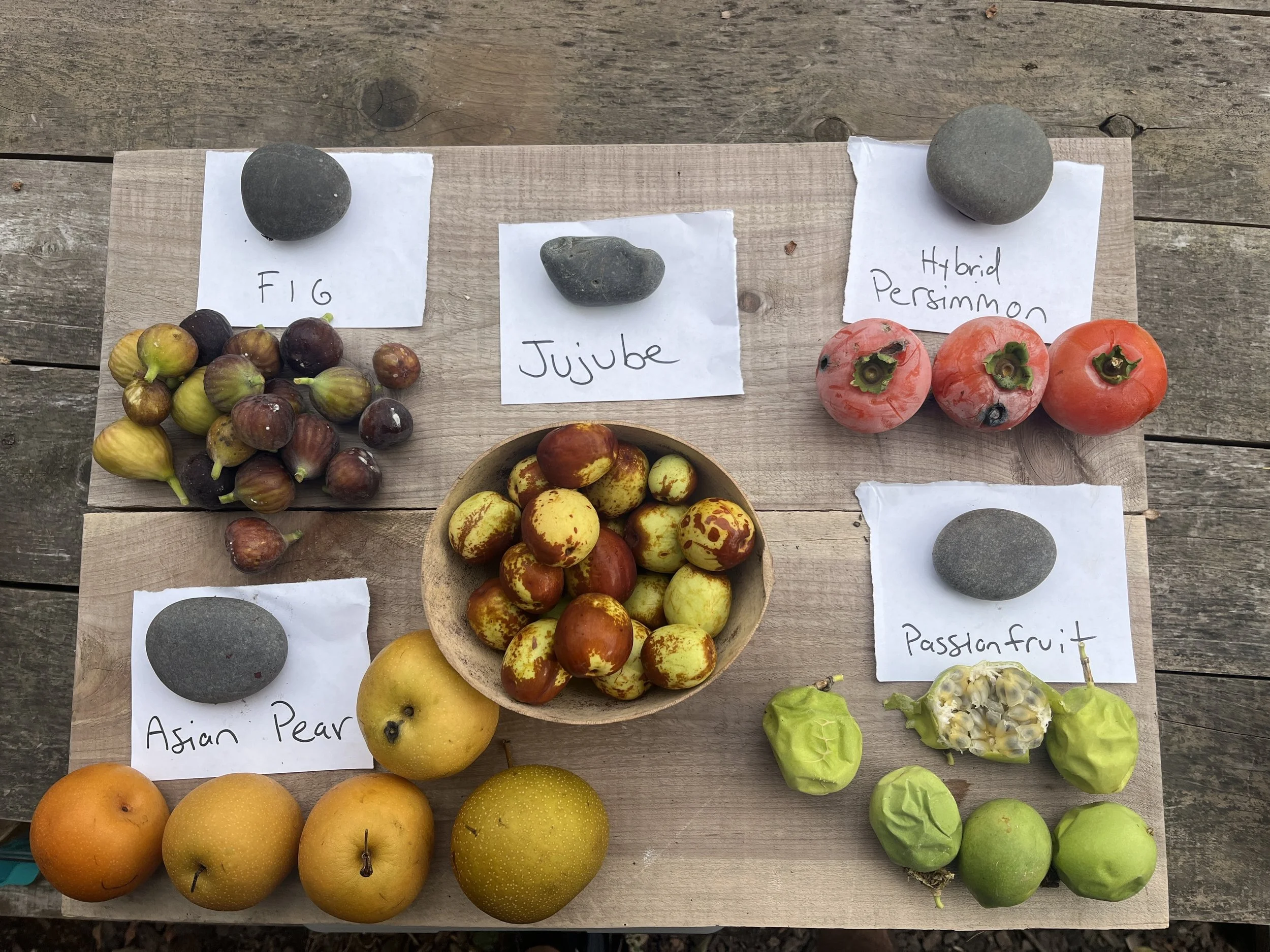
Meandering pathways led through layers of fruit trees, berry bushes, perennial vegetables, herbs, and native flowers. Asian pears, persimmons, peaches, and mulberries grew alongside currants, gooseberries, sorrel, and sea kale. I began by sheet-mulching the lawn with cardboard and wood chips, building soil health from the ground up.
A Backyard Foraging Paradise
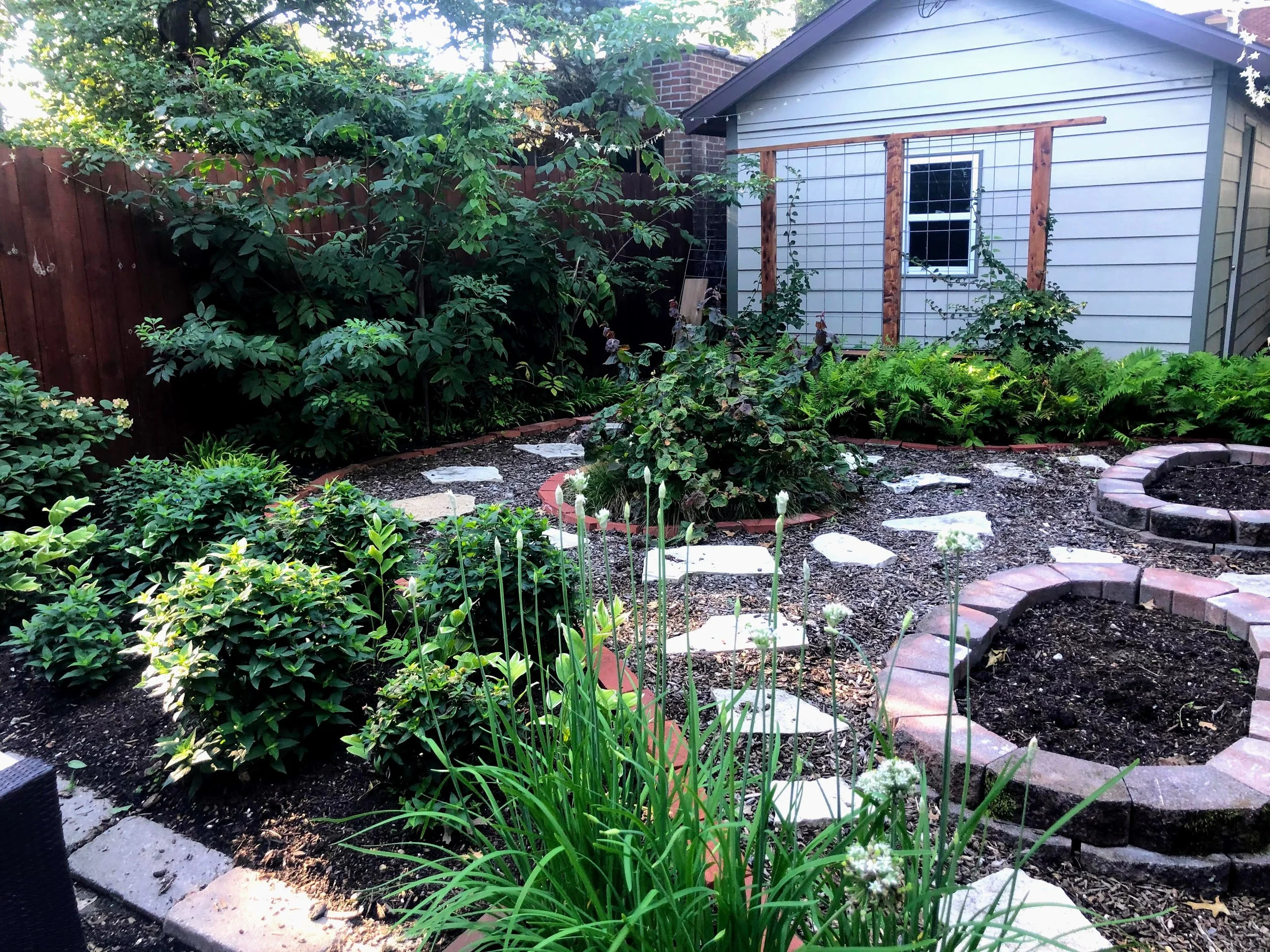
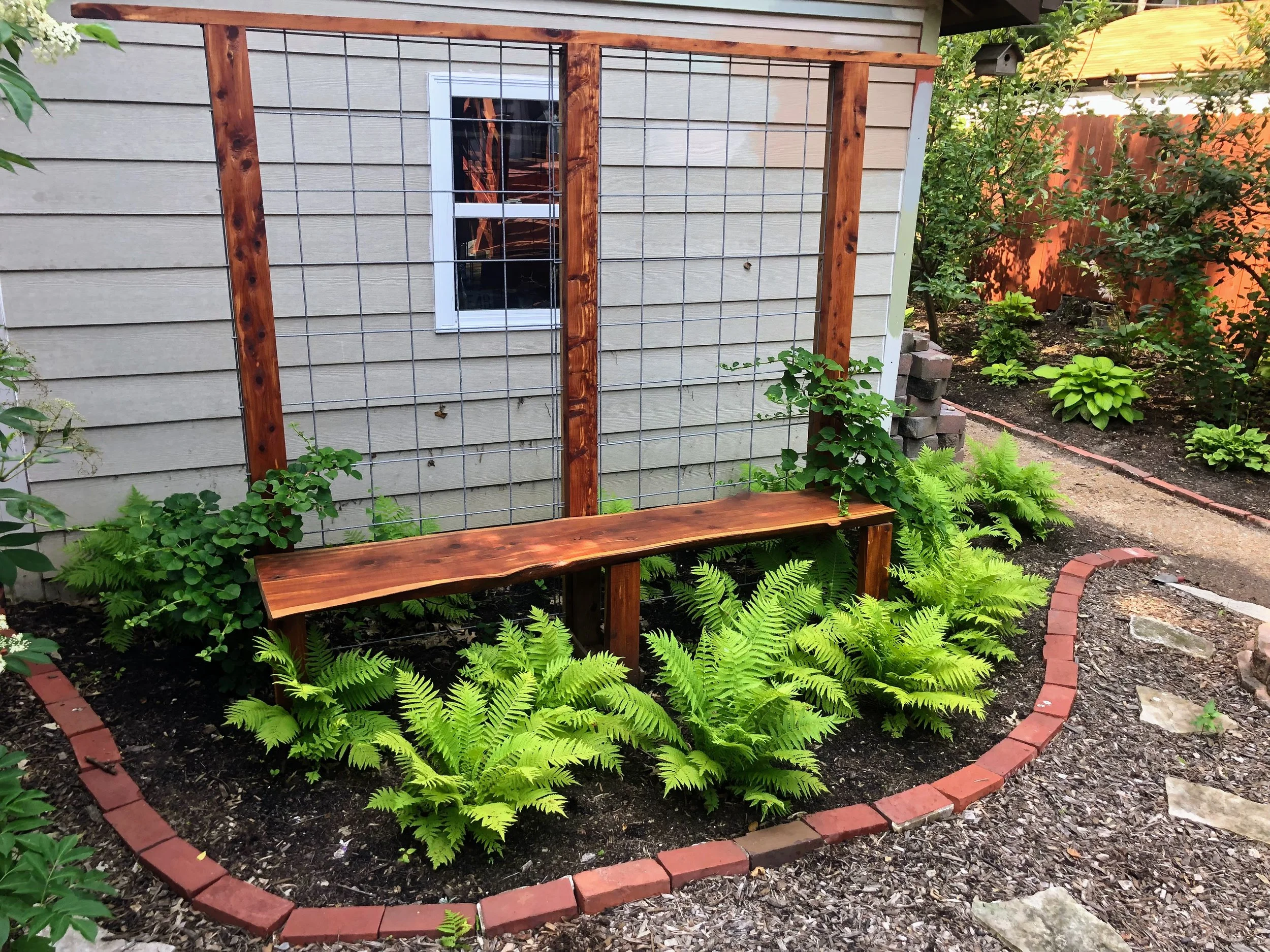
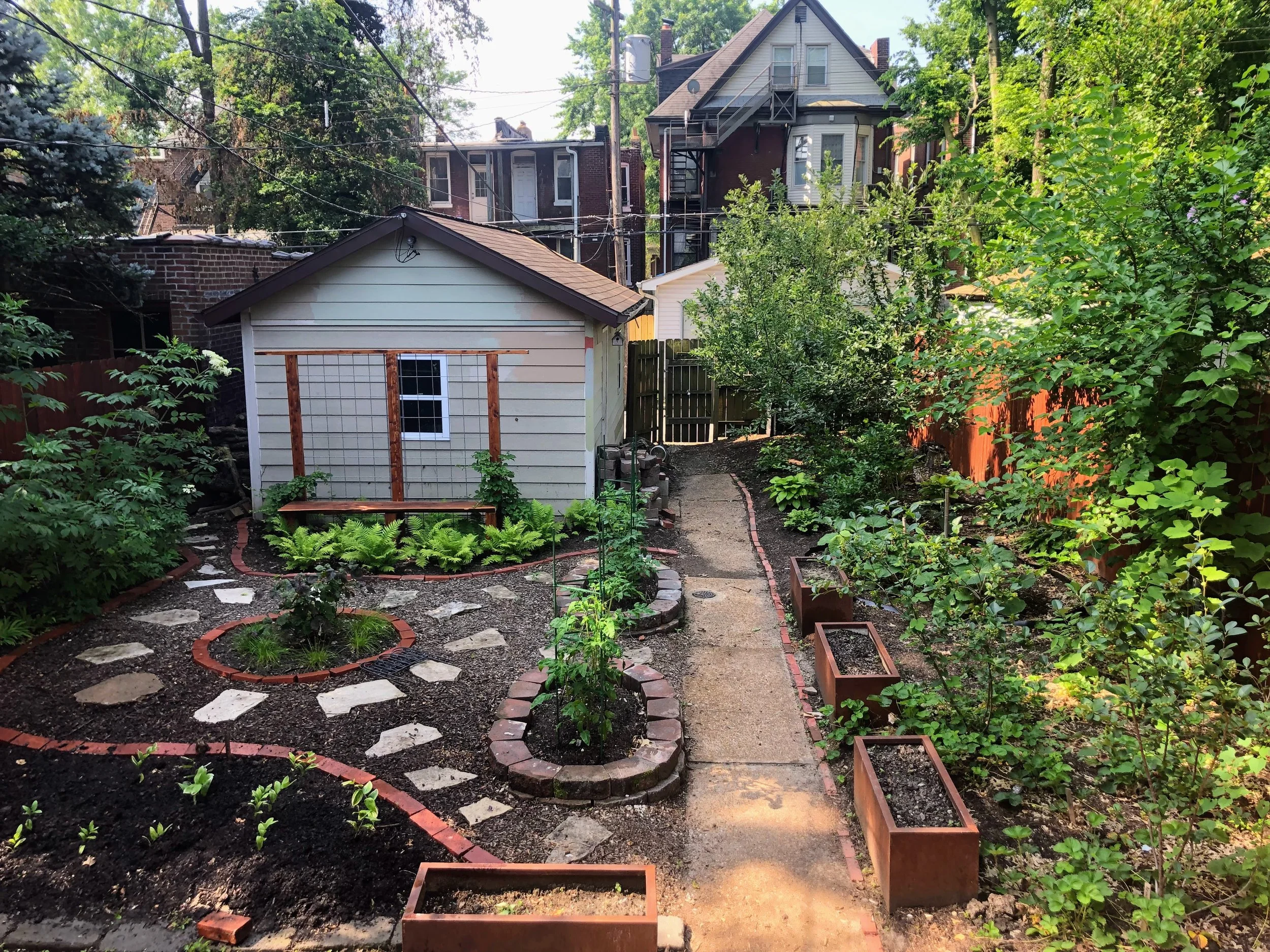
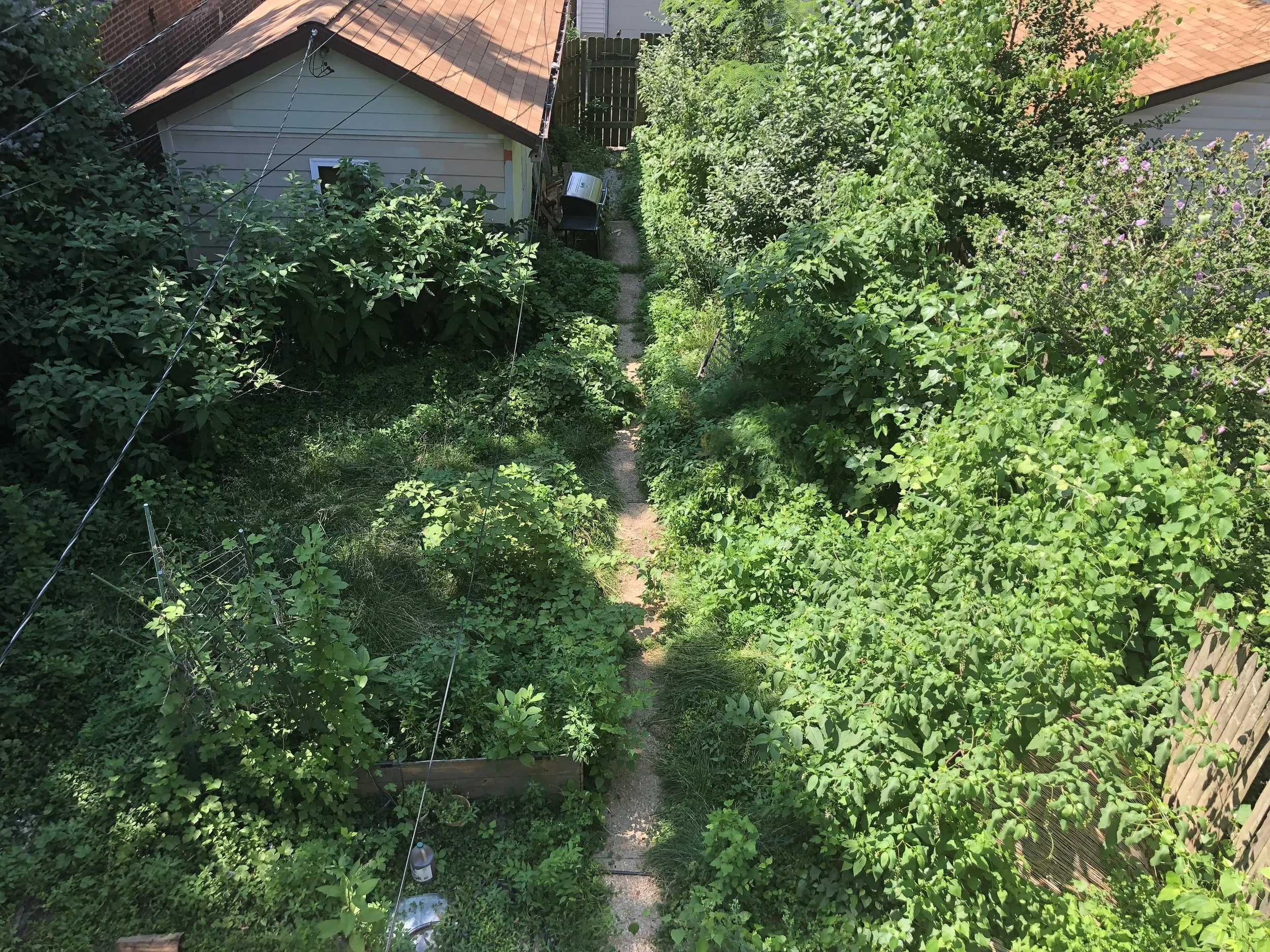
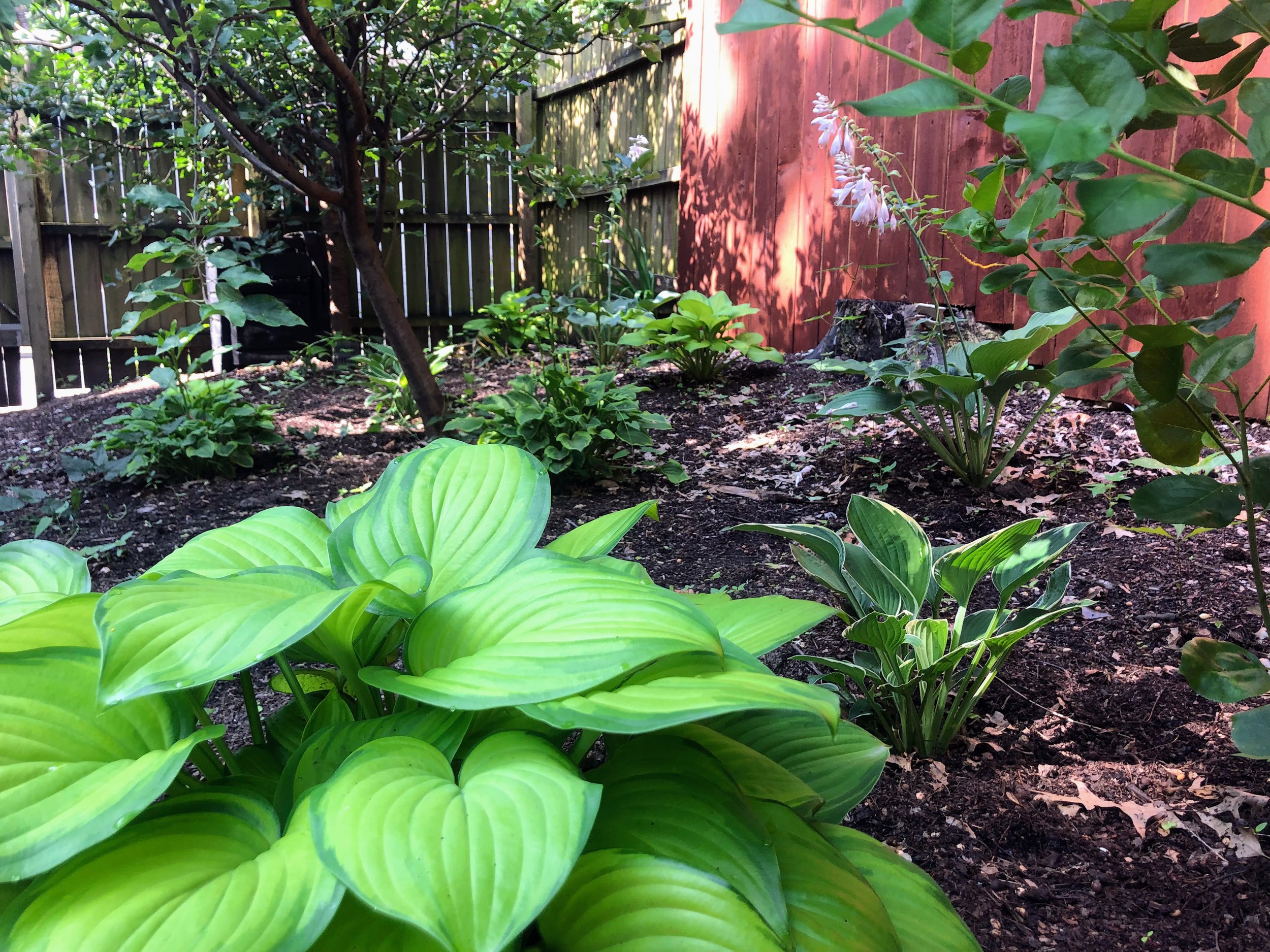
This small urban backyard had established fruit trees, mature shade, and plenty of potential hidden beneath years of overgrowth. We helped the homeowner reclaim the space and transformed it into a woodland-inspired edible landscape designed around her love of unusual flavors.
As the owner of a kombucha company, she wanted a garden where she could wander, taste, and find inspiration. Our design paired elderberries and aronia with edible shade plants, perennial herbs, and native flowers, creating a landscape that offered seasonal harvests without the demands of an annual vegetable garden.
We reused bricks and retaining wall blocks already on the property, adding character while making use of existing materials. A small pergola and bench provided a place to settle in and enjoy the garden.
The result was a personal retreat—a backyard designed for foraging, experimentation, and everyday enjoyment.
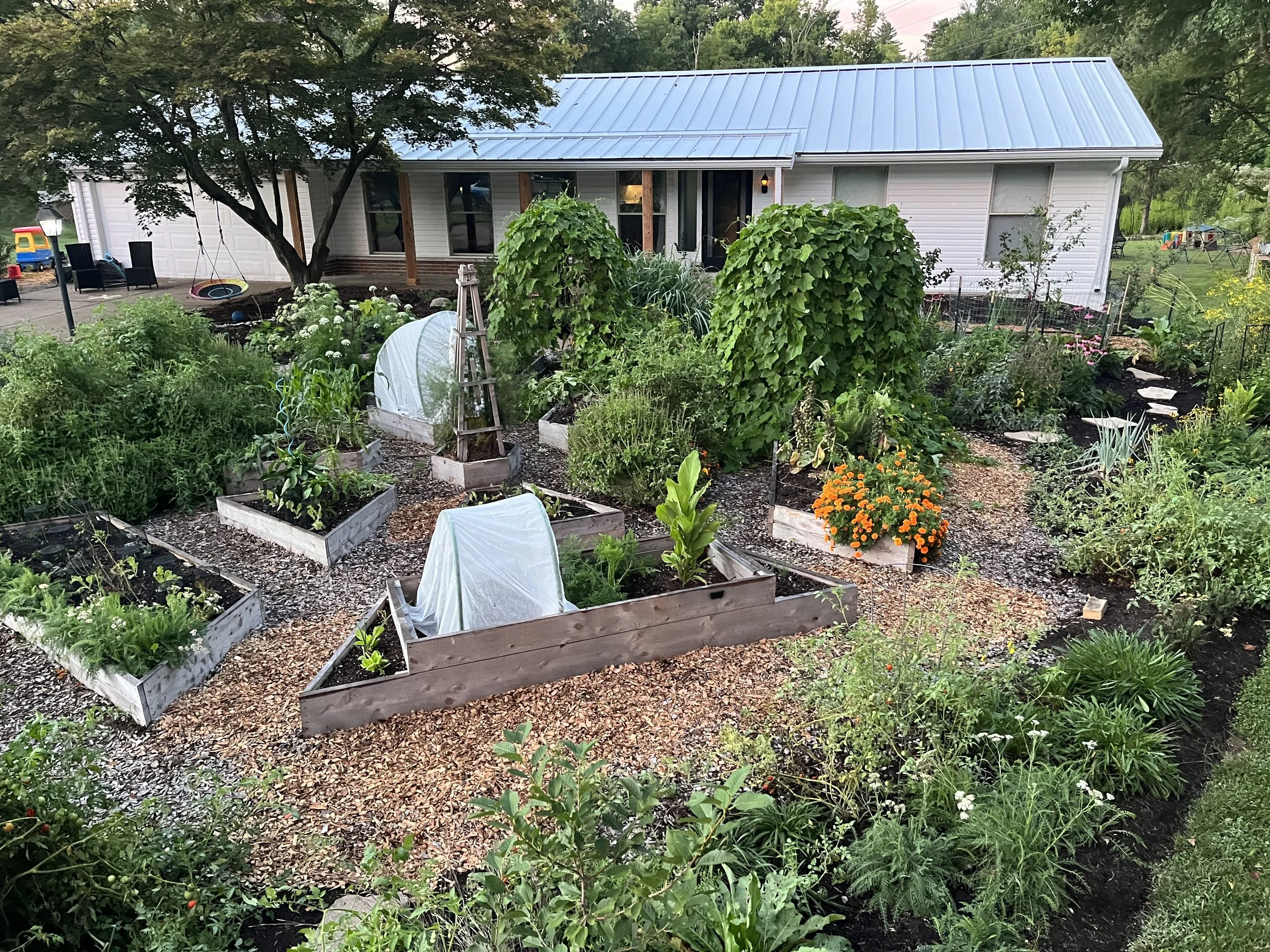
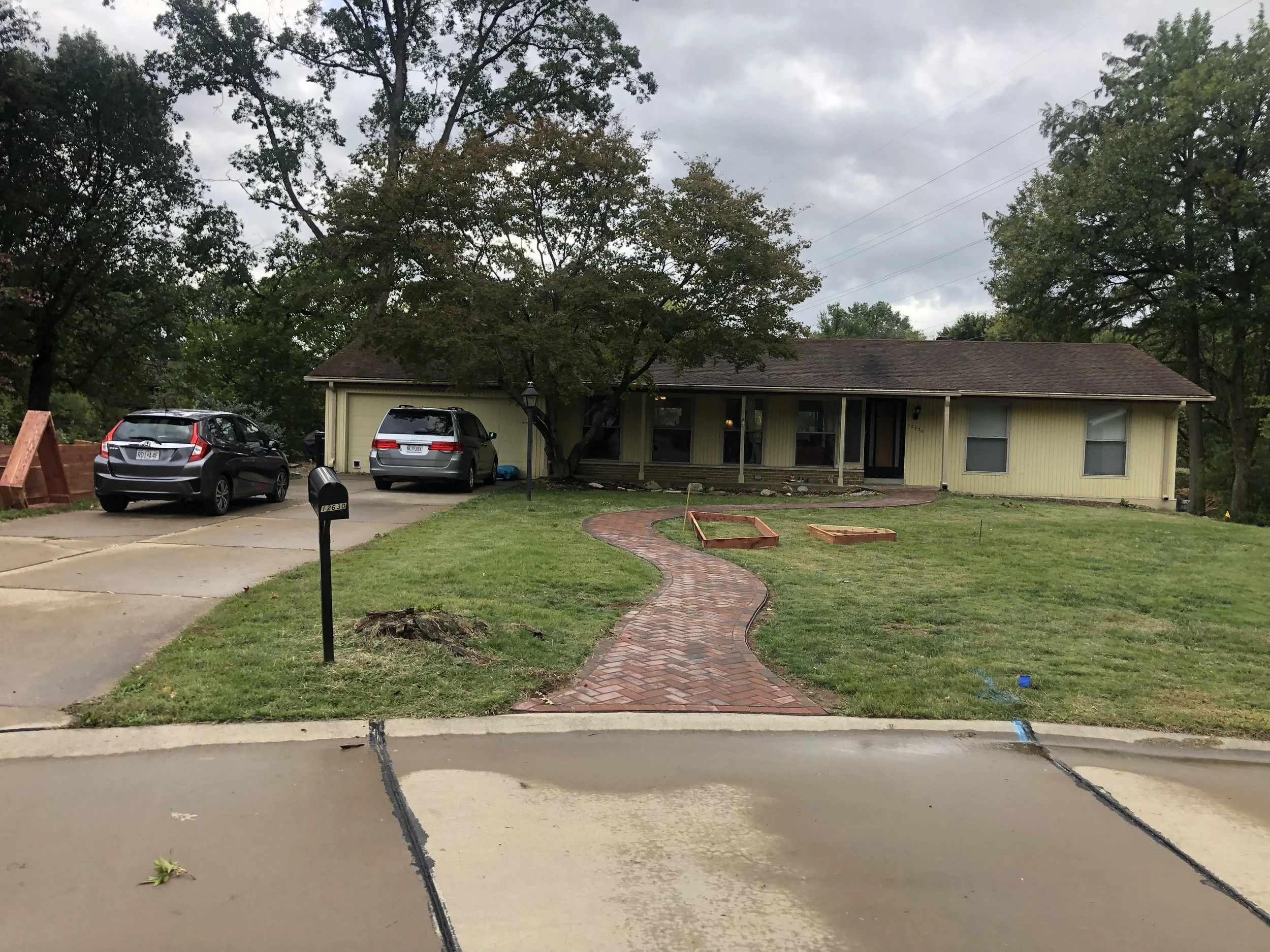
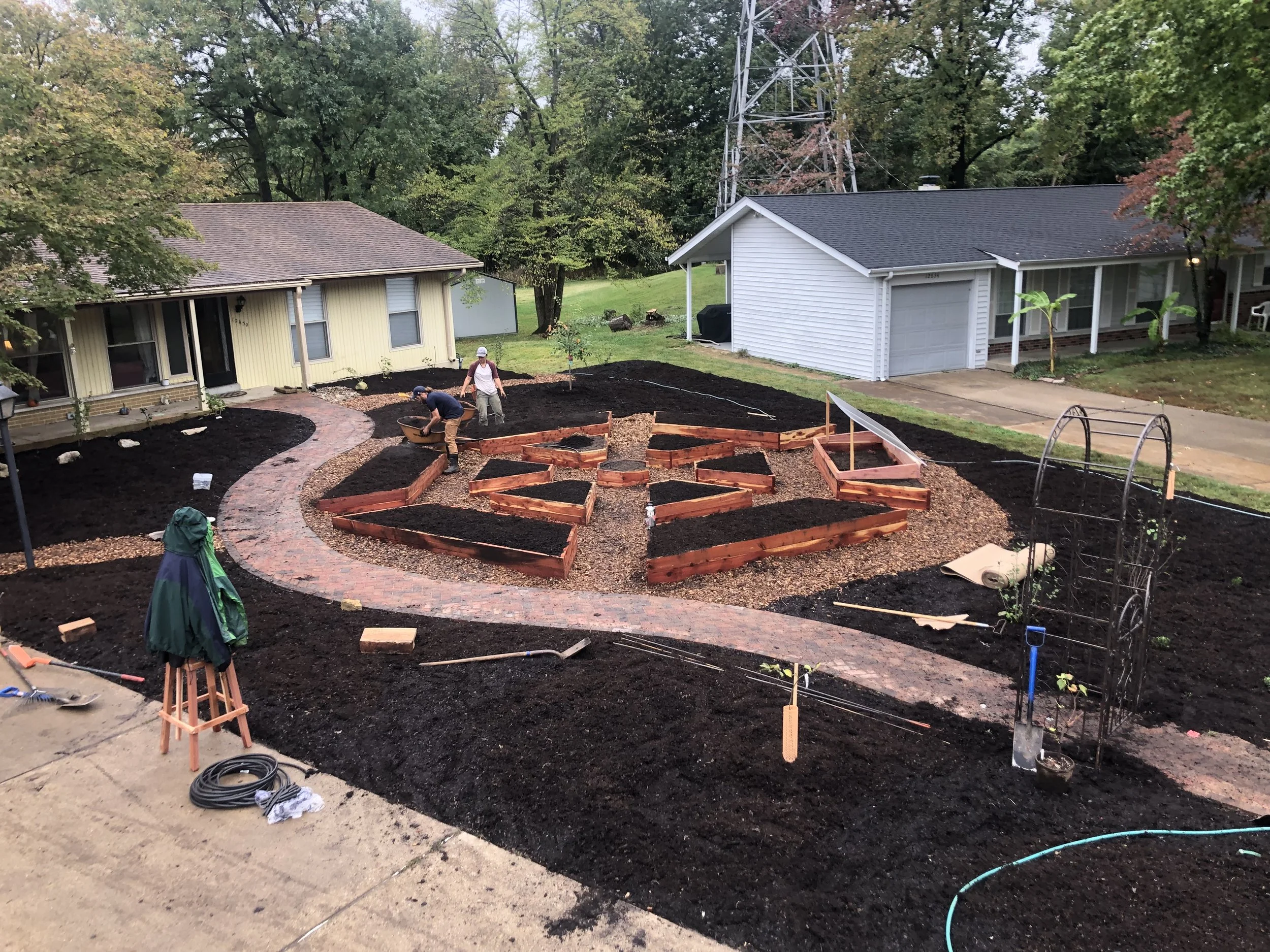
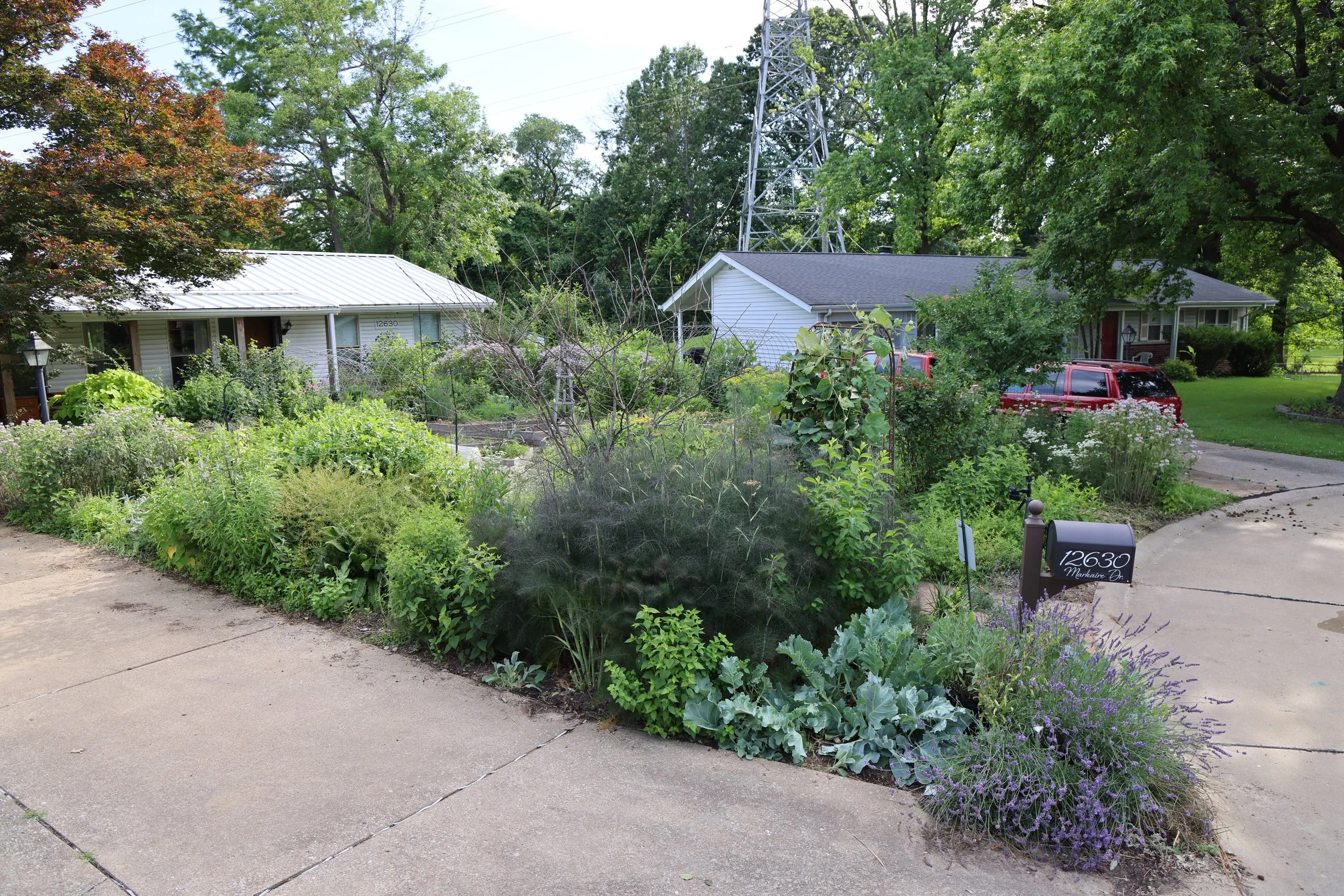
A Front Yard Becomes a Neighborhood Food Forest
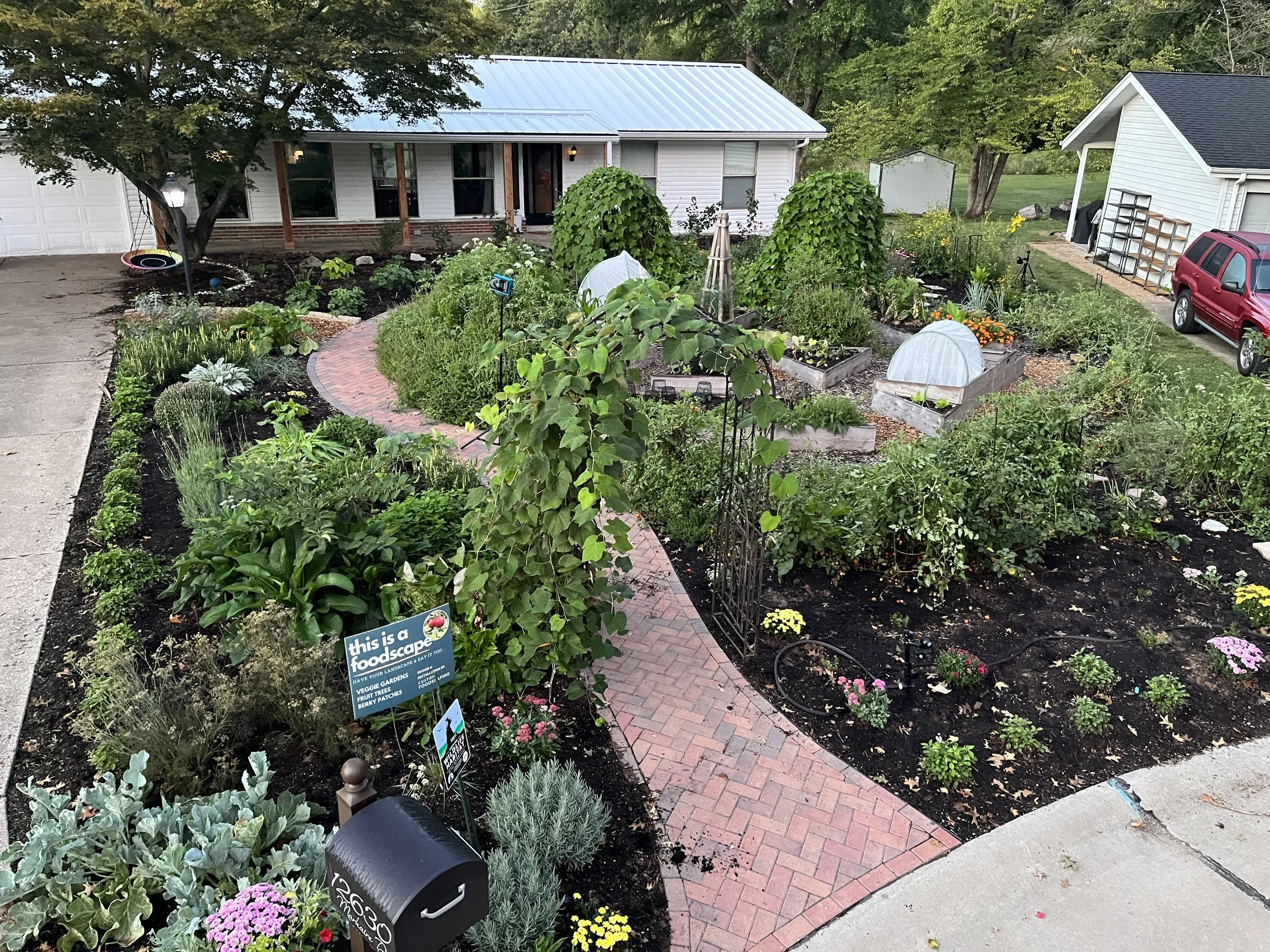
This homeowner wanted her large suburban front yard to become an abundant edible landscape that the whole neighborhood could enjoy. Her priorities were clear: flowing shapes, room to explore, and an open landscape without a deer fence.
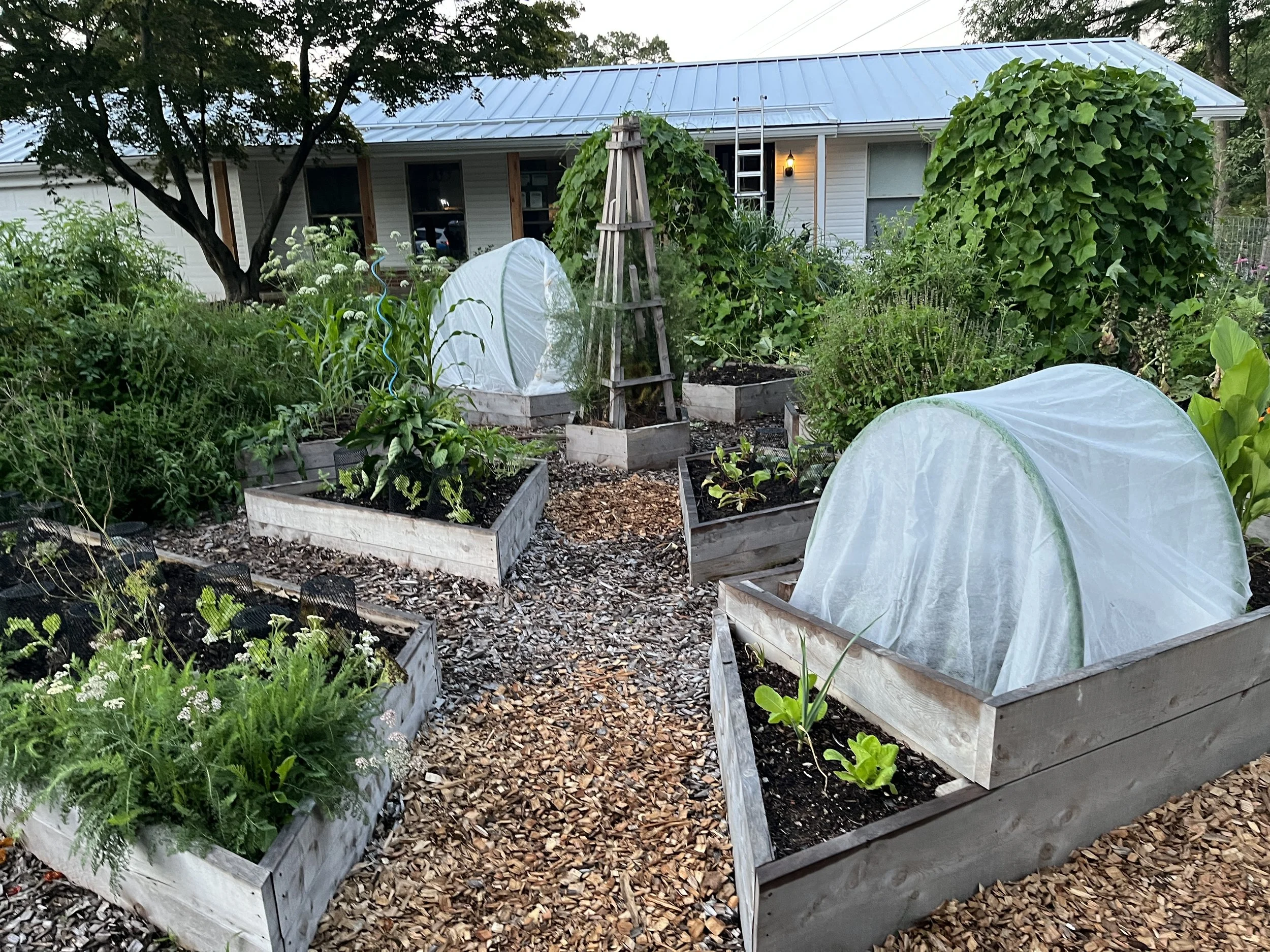
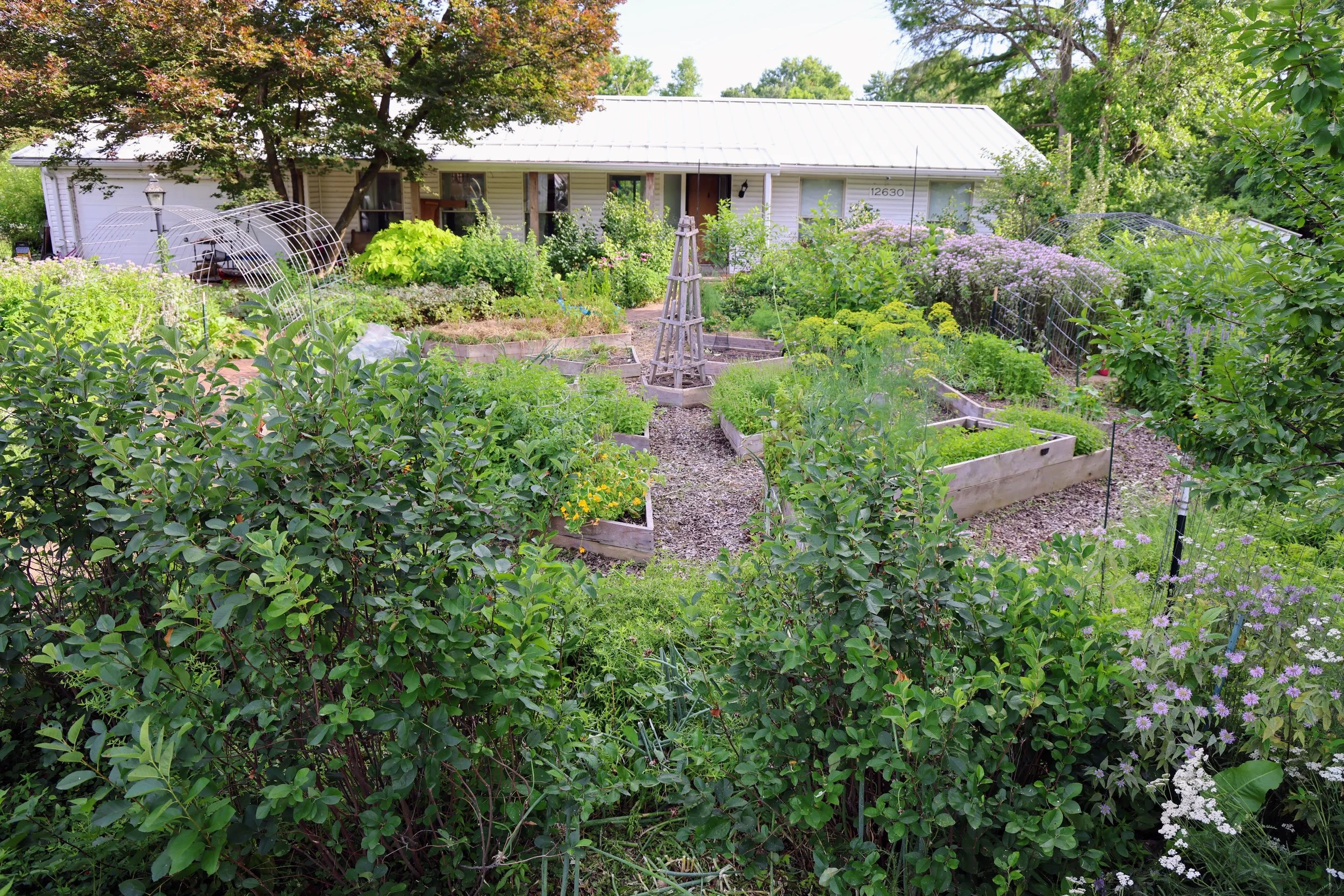
We designed and installed a foodscape with a gently curving path connecting the sidewalk to the front door. At its center, trapezoidal vegetable beds arranged around a hexagon brought structure to the garden. Throughout the yard, fruit trees were surrounded by herbs, native flowers, and perennial vegetables.
Water shaped the design, too. We created a swale to direct roof runoff into the landscape, giving it a chance to soak into the soil. Sheet-mulching transformed the lawn into planting areas, while wood-chip pathways provided access for harvesting and care. Motion-activated sprinklers helped discourage deer while keeping the yard open.
As the planting matured, the front yard became a place for the family’s three children to play, for neighbors to stop and talk, and for the homeowner to harvest fruit, vegetables, and herbs—a food forest woven into everyday neighborhood life.
A Backyard Vineyard and “SnackYard”
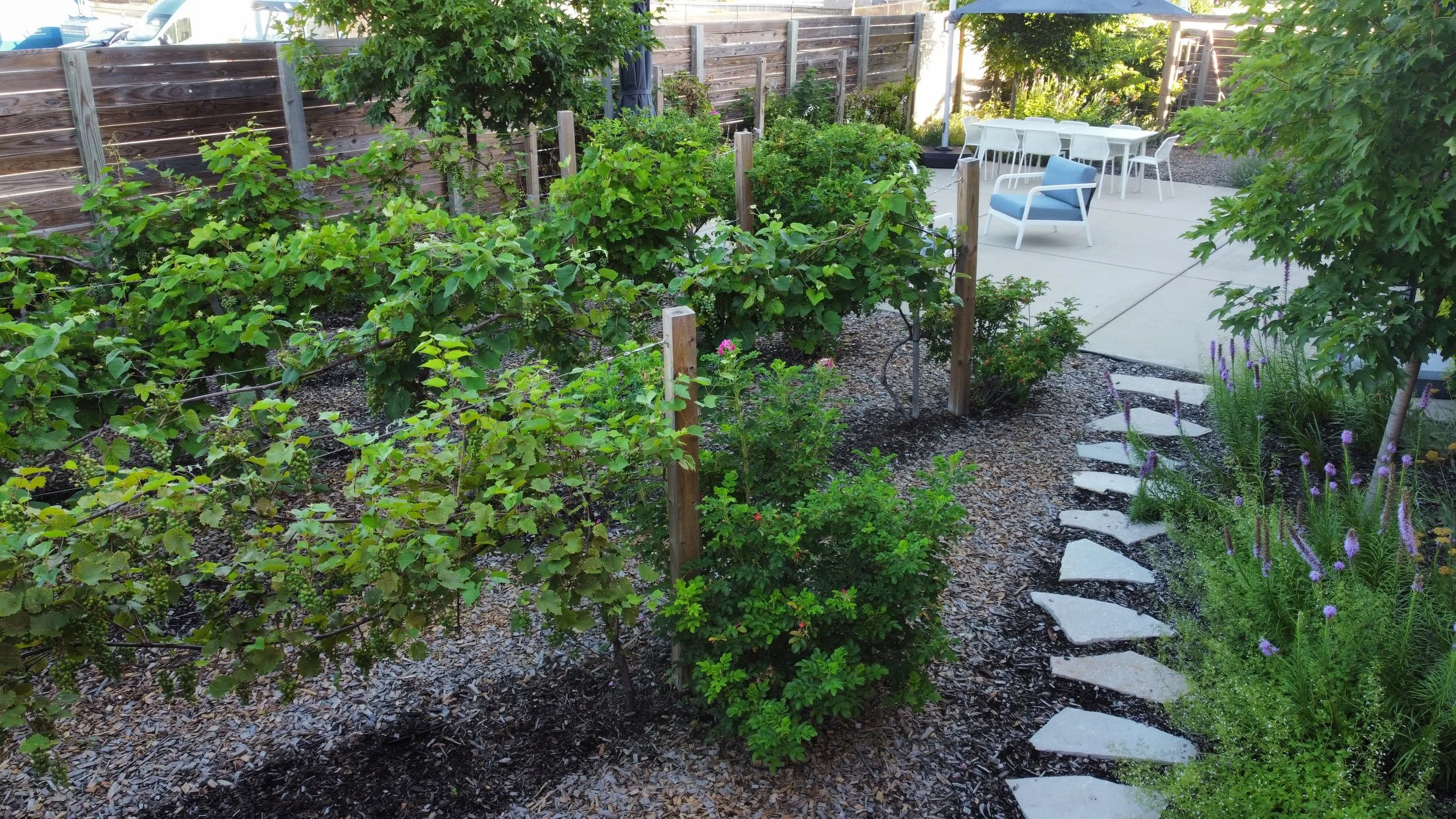
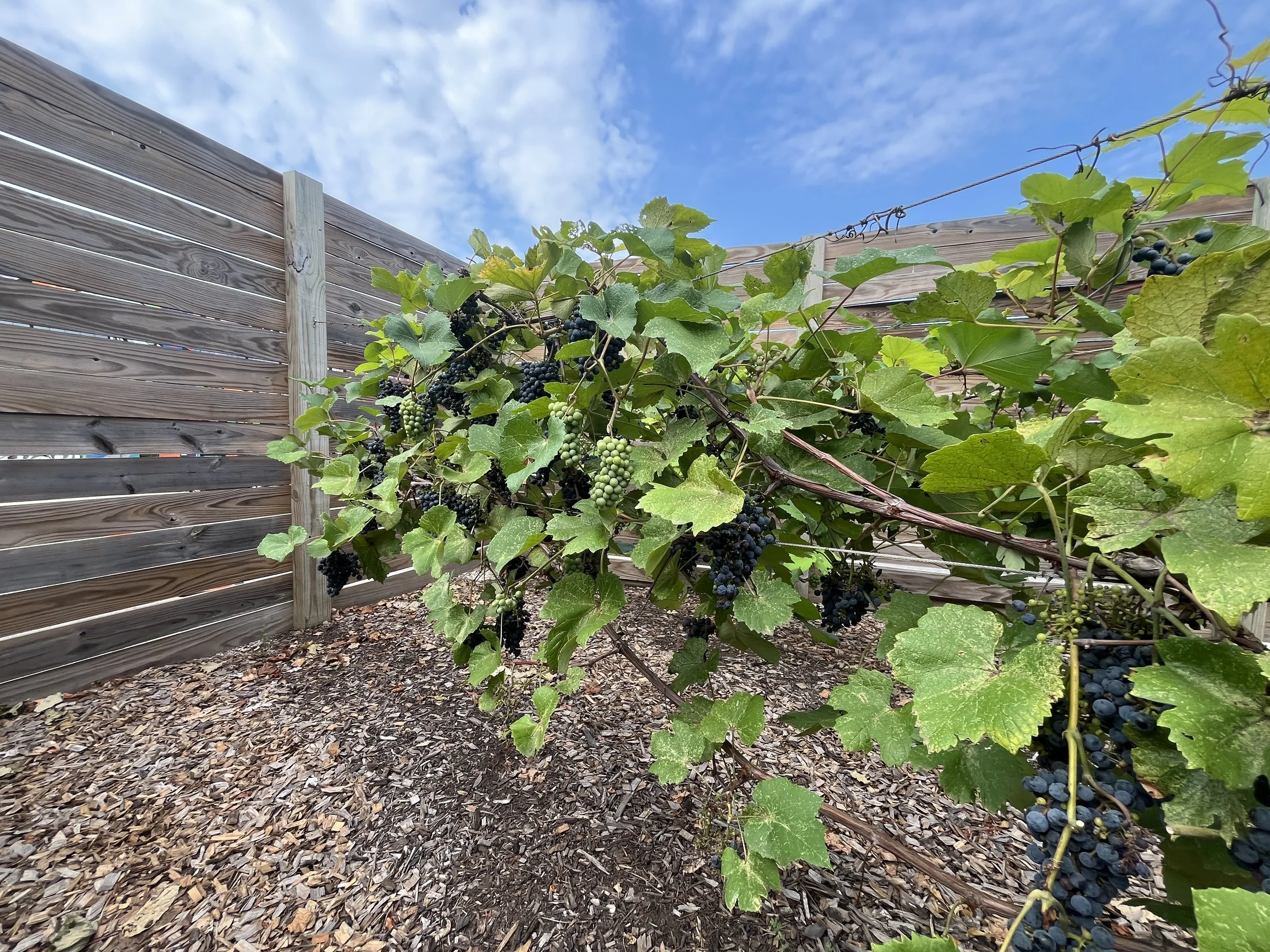
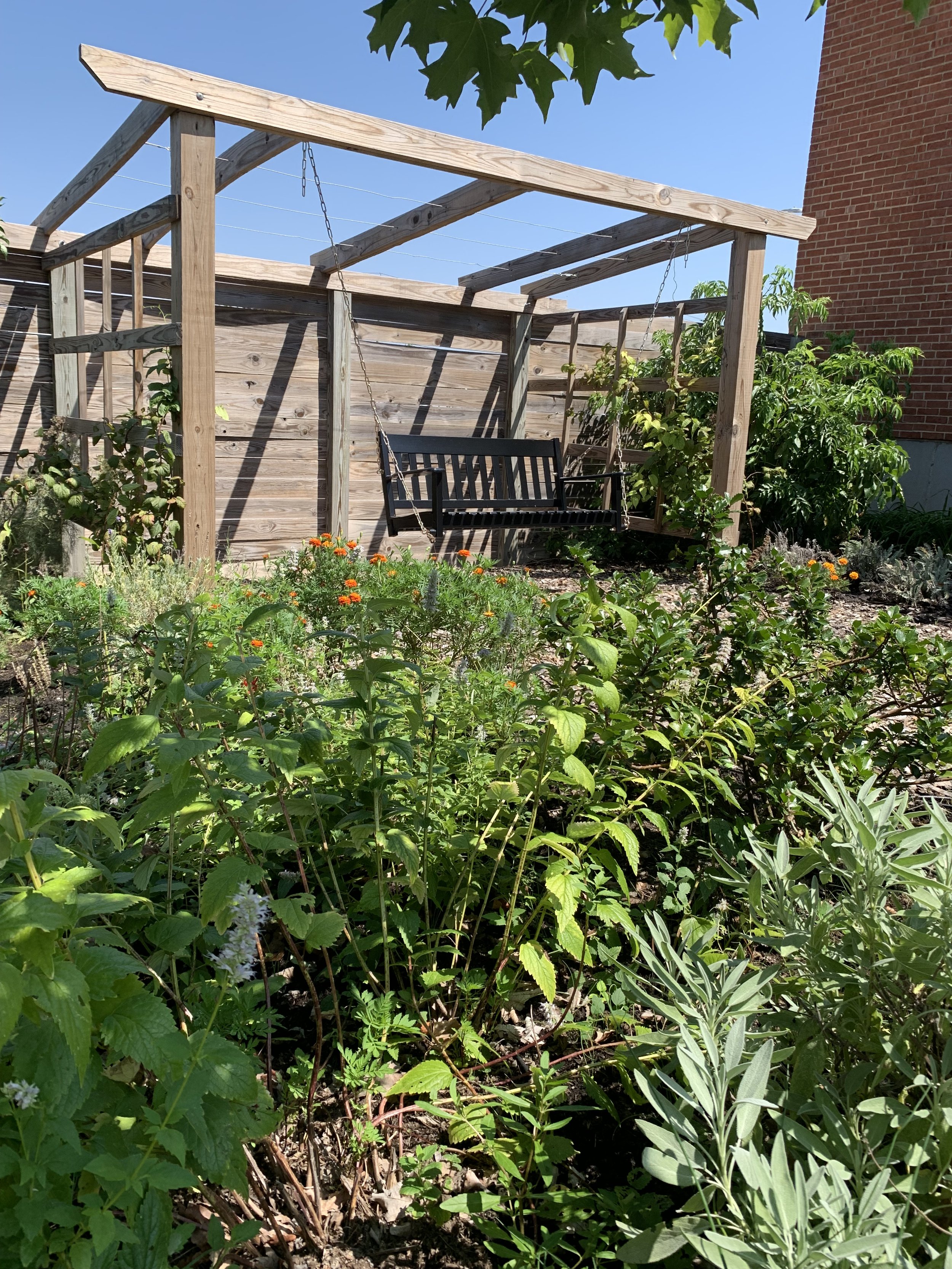
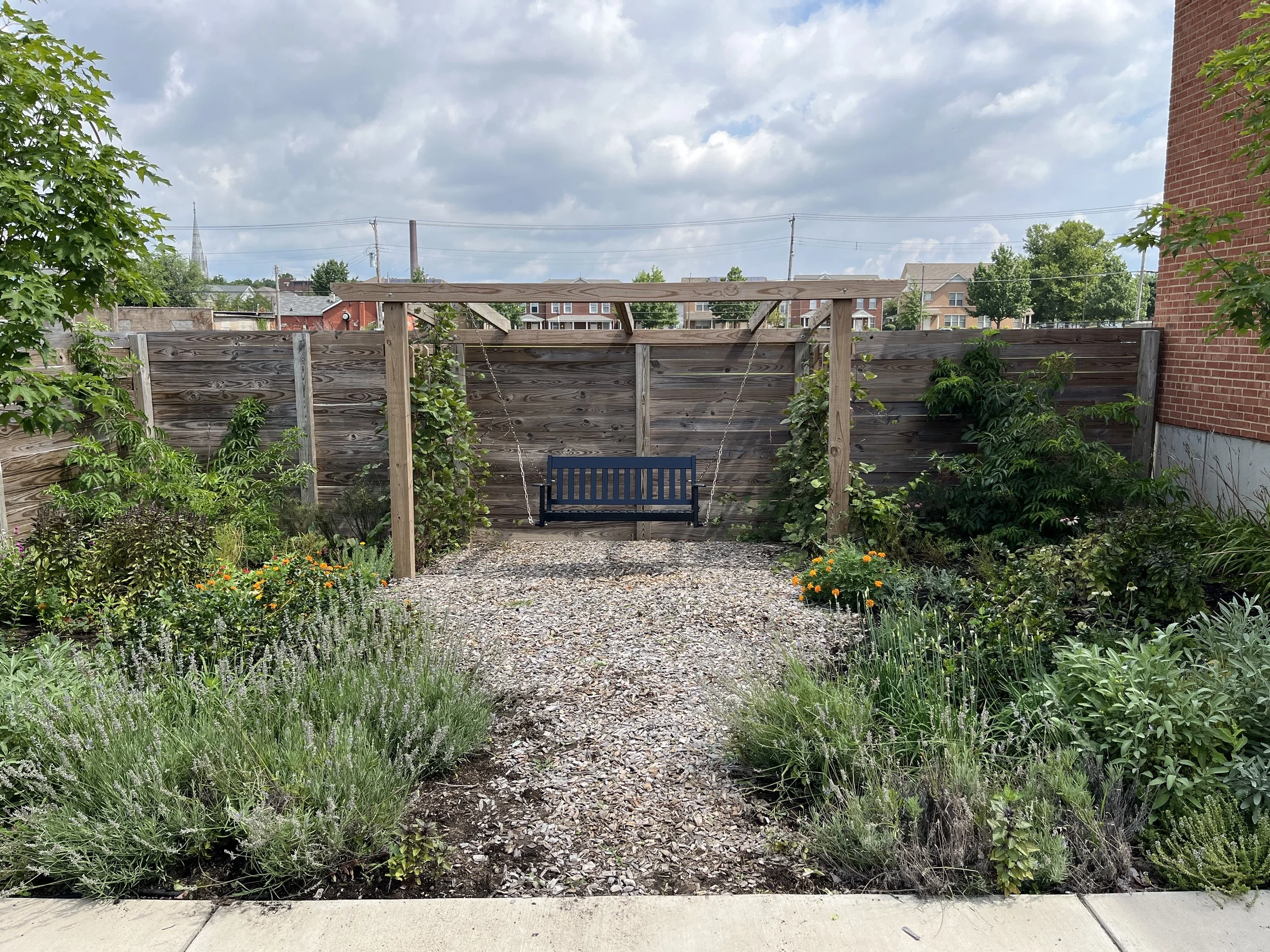
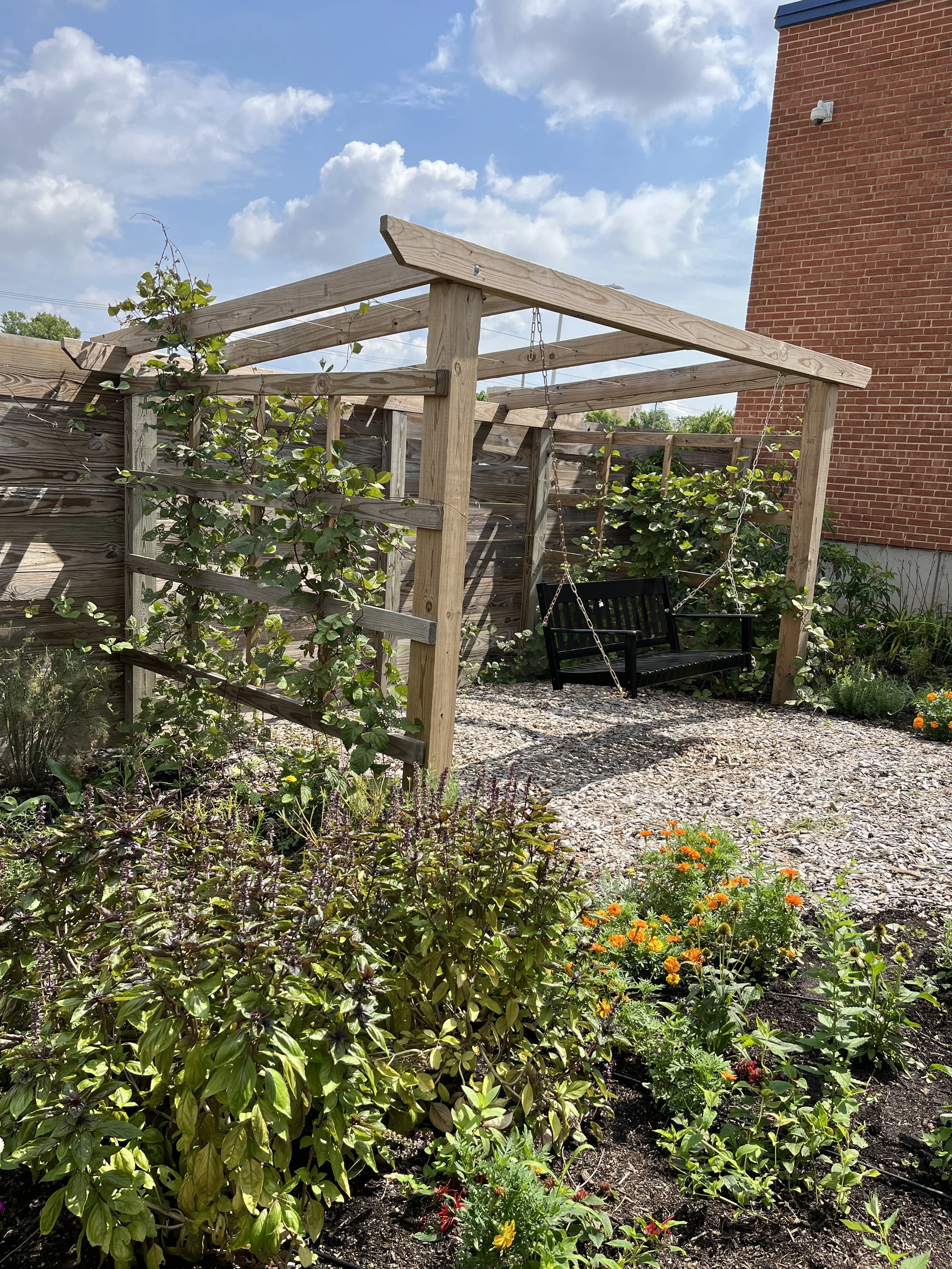
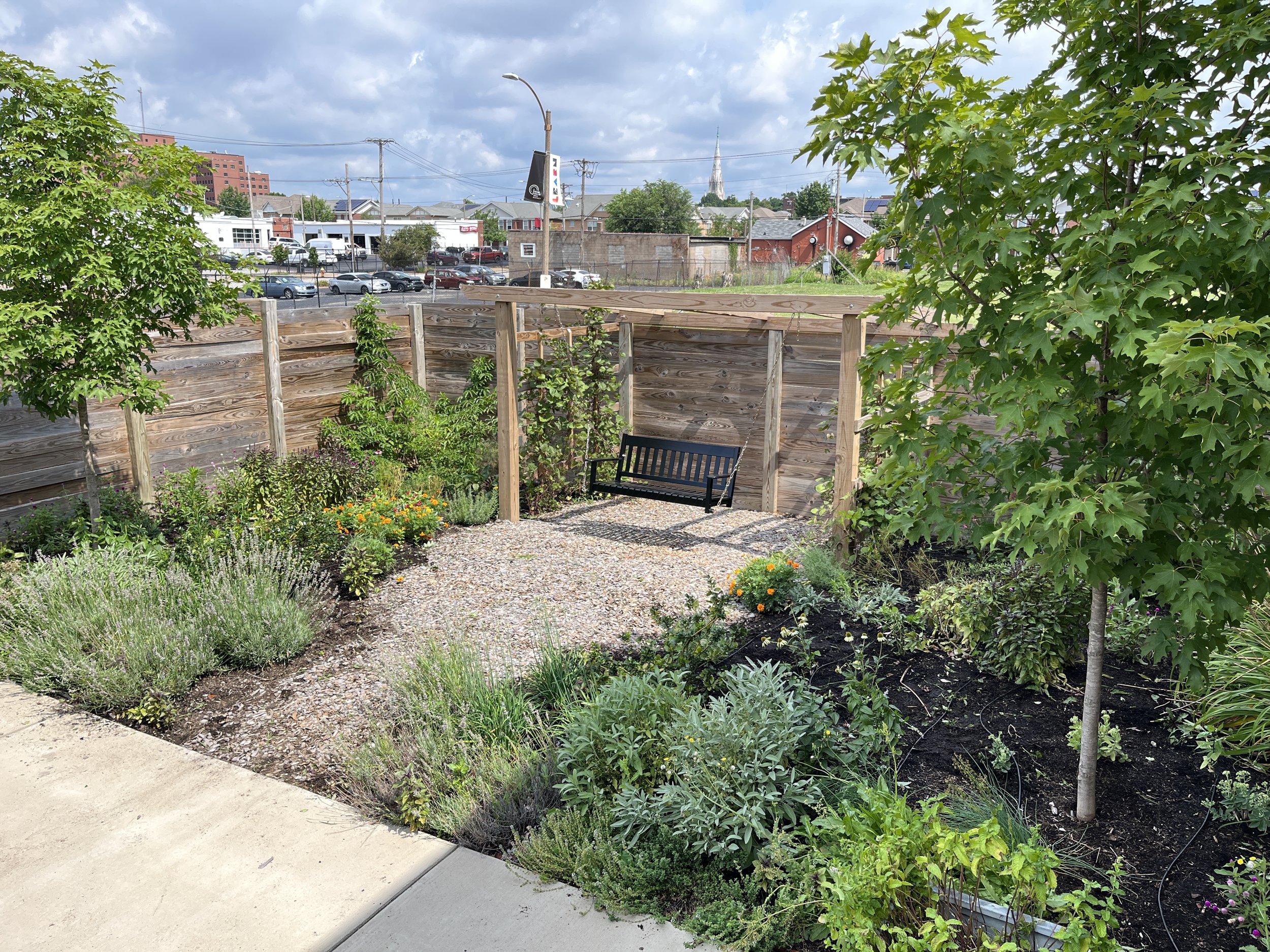
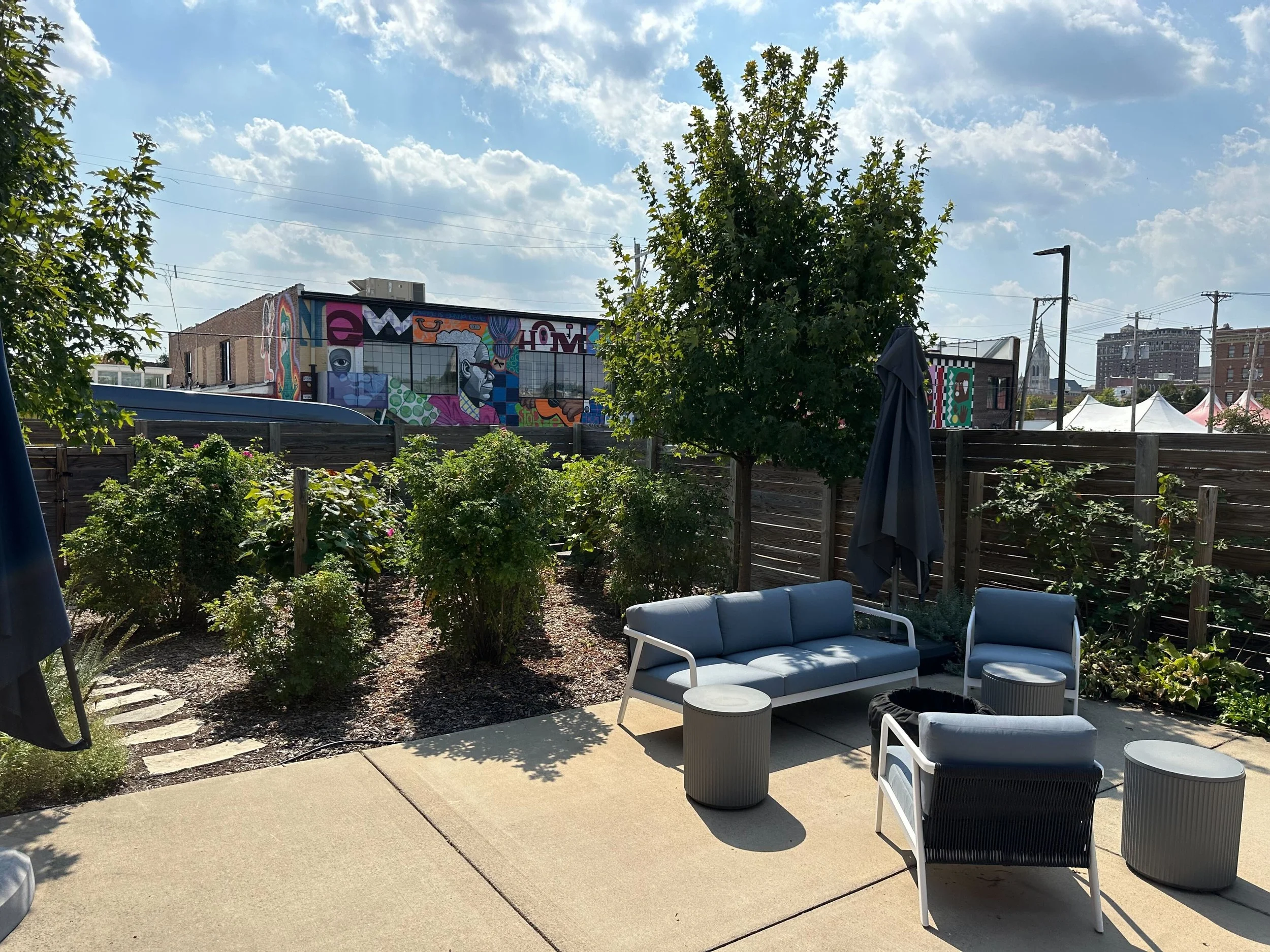
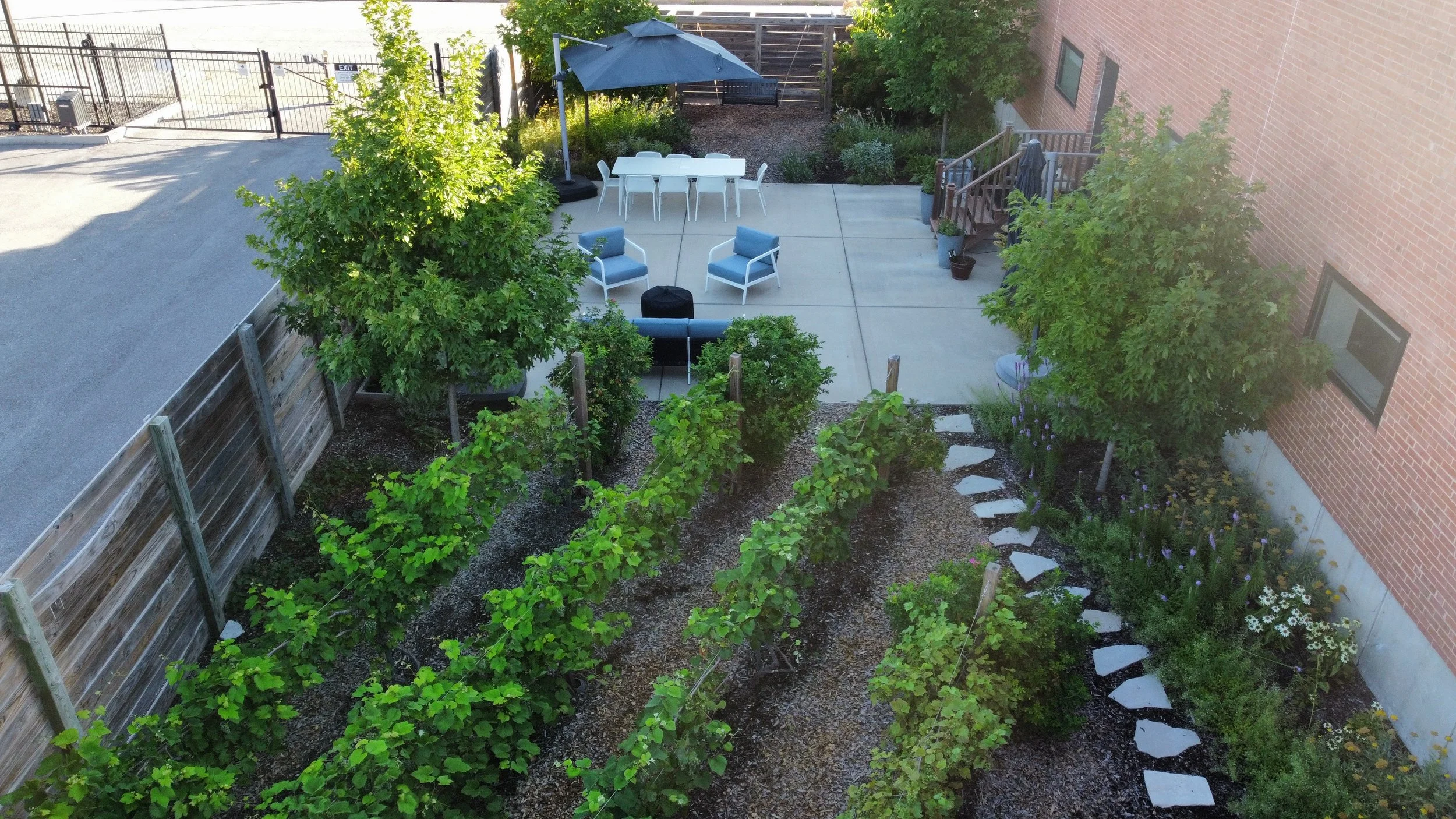
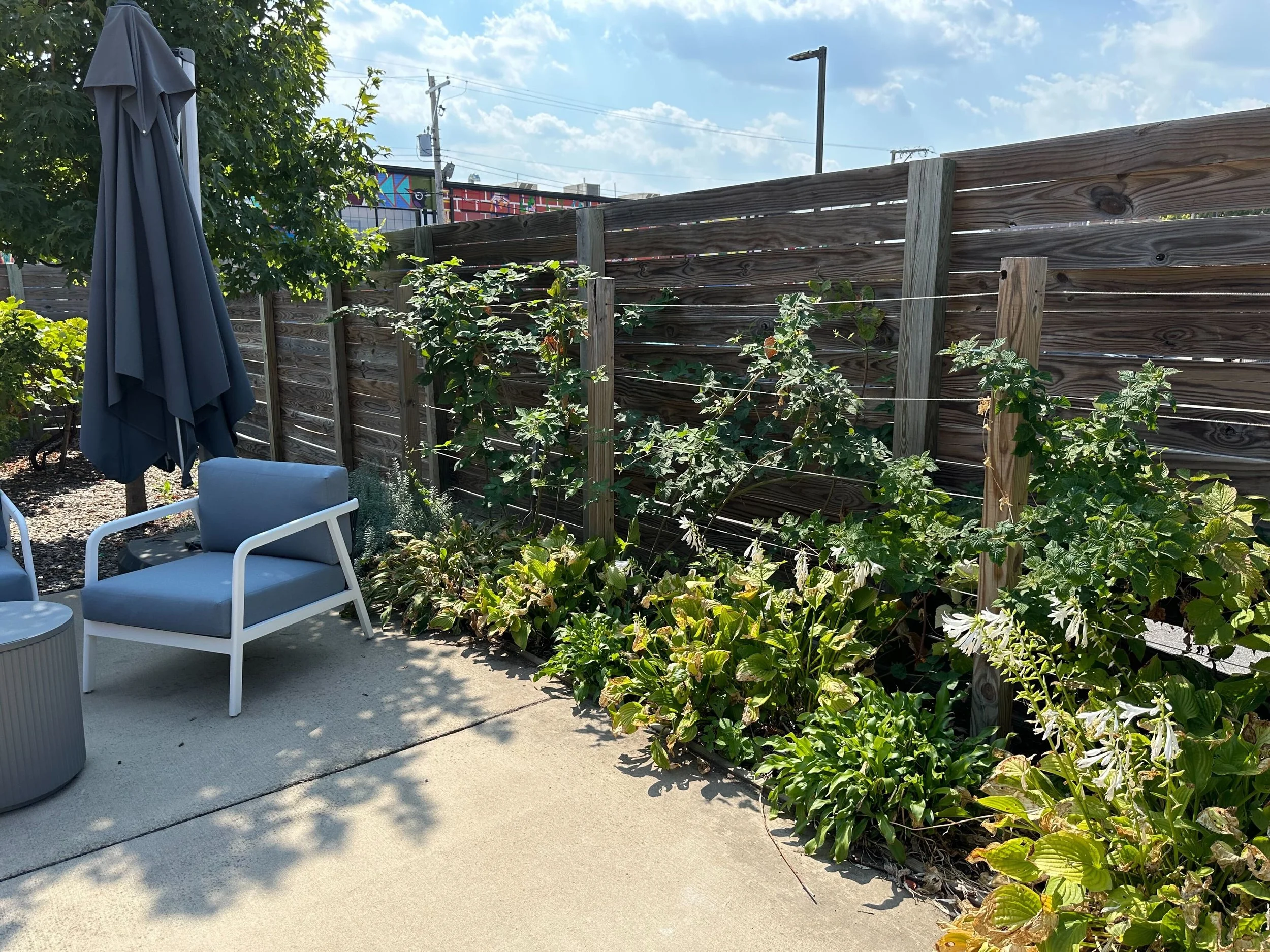
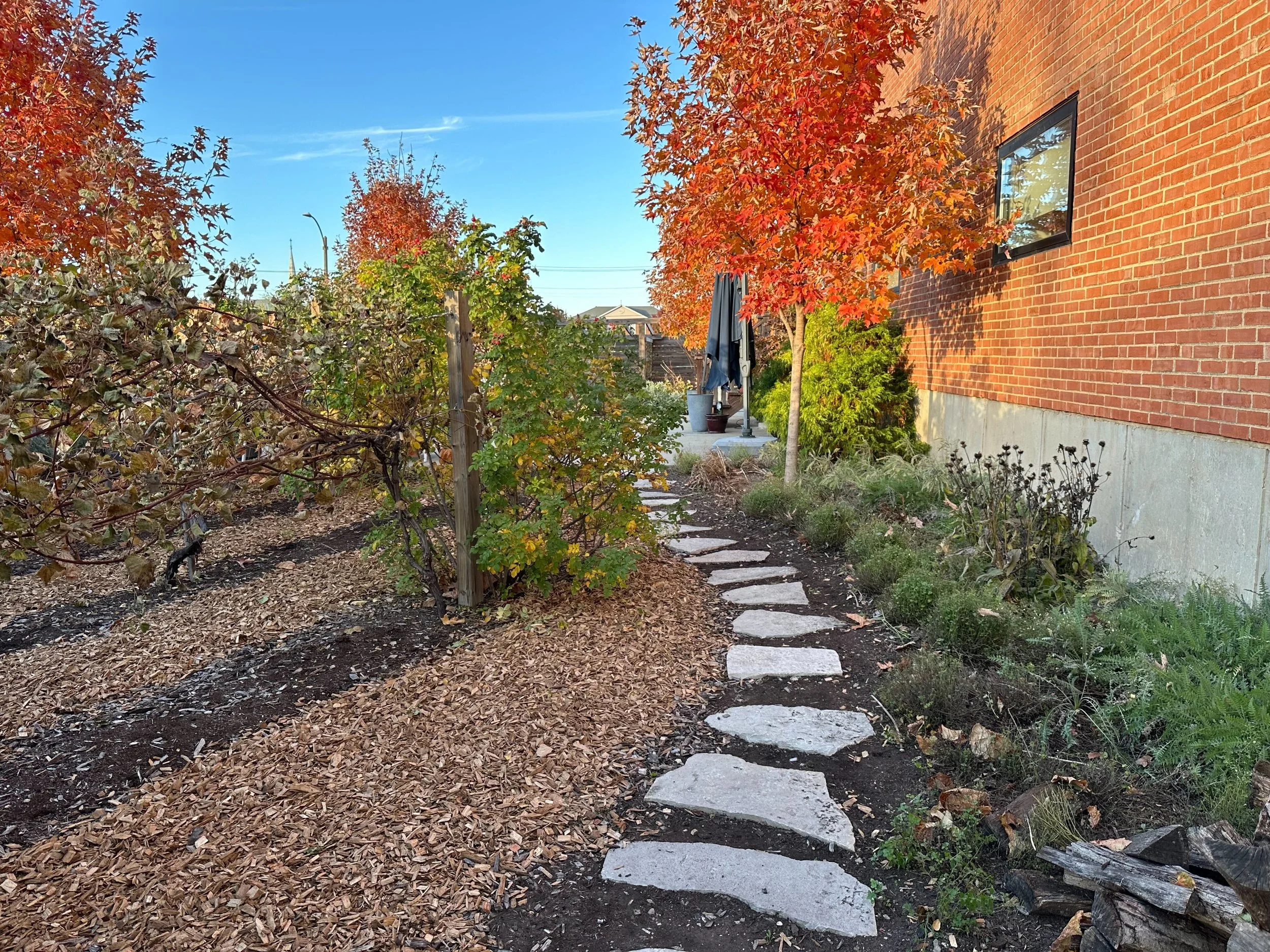
This fenced in yard has at all! 1. A mini-vineyard 2. An outdoor dining space 3. A pergola to swing and enjoy herbs and flowers! The grapes feature unique native varieties that don’t need any sprays to get beautiful fruit. We built a custom trellis system for them to integrate into the existing fence. Raspberries are trellised along the part-shade fence. The back corners feature 2 elderberry bushes with a myriad of native flowers and herbs in front. The centerpiece of the far-side is a built-in swing and hardy kiwi pergola.
A Steep Front Lawn Becomes a Vibrant Native Garden
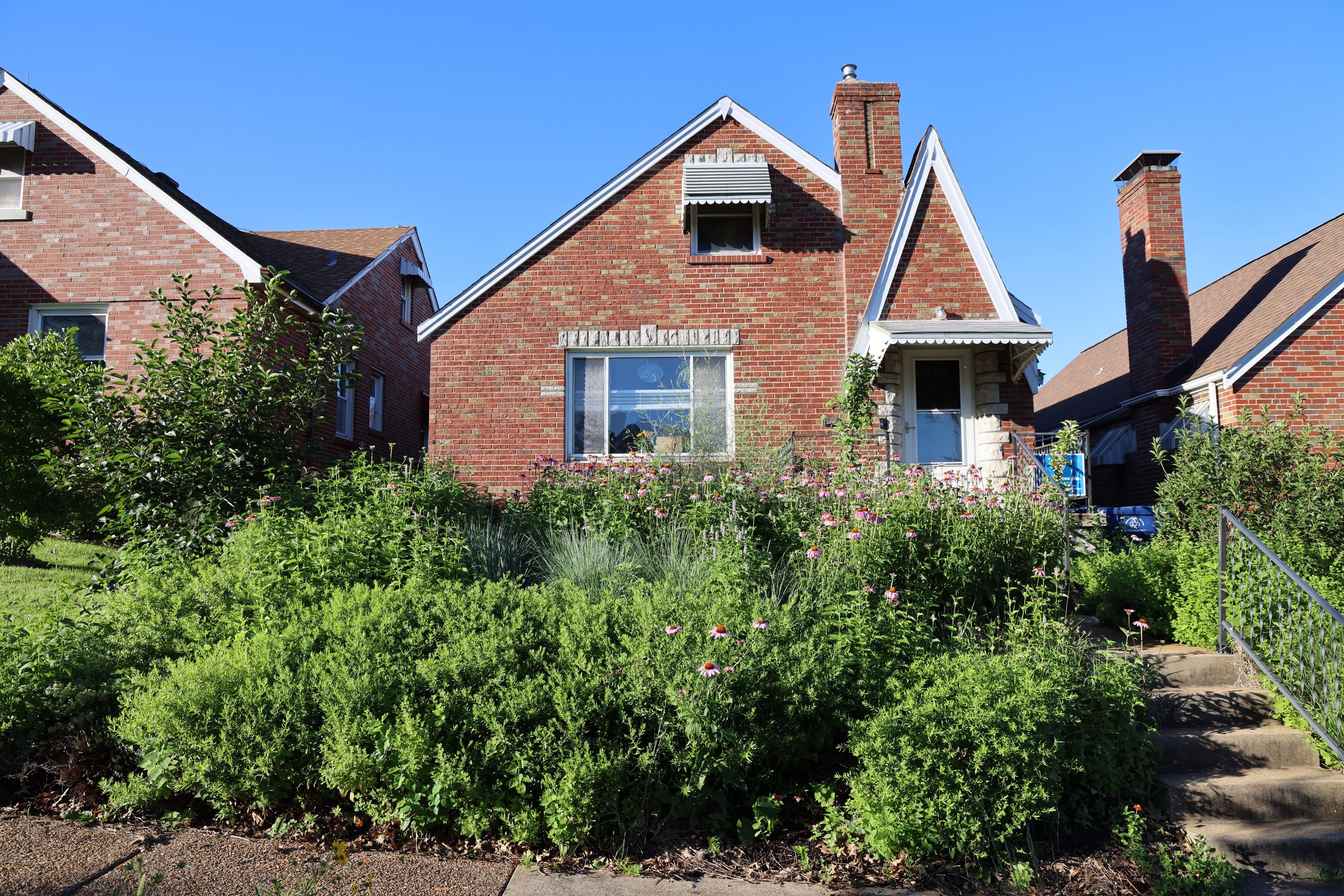
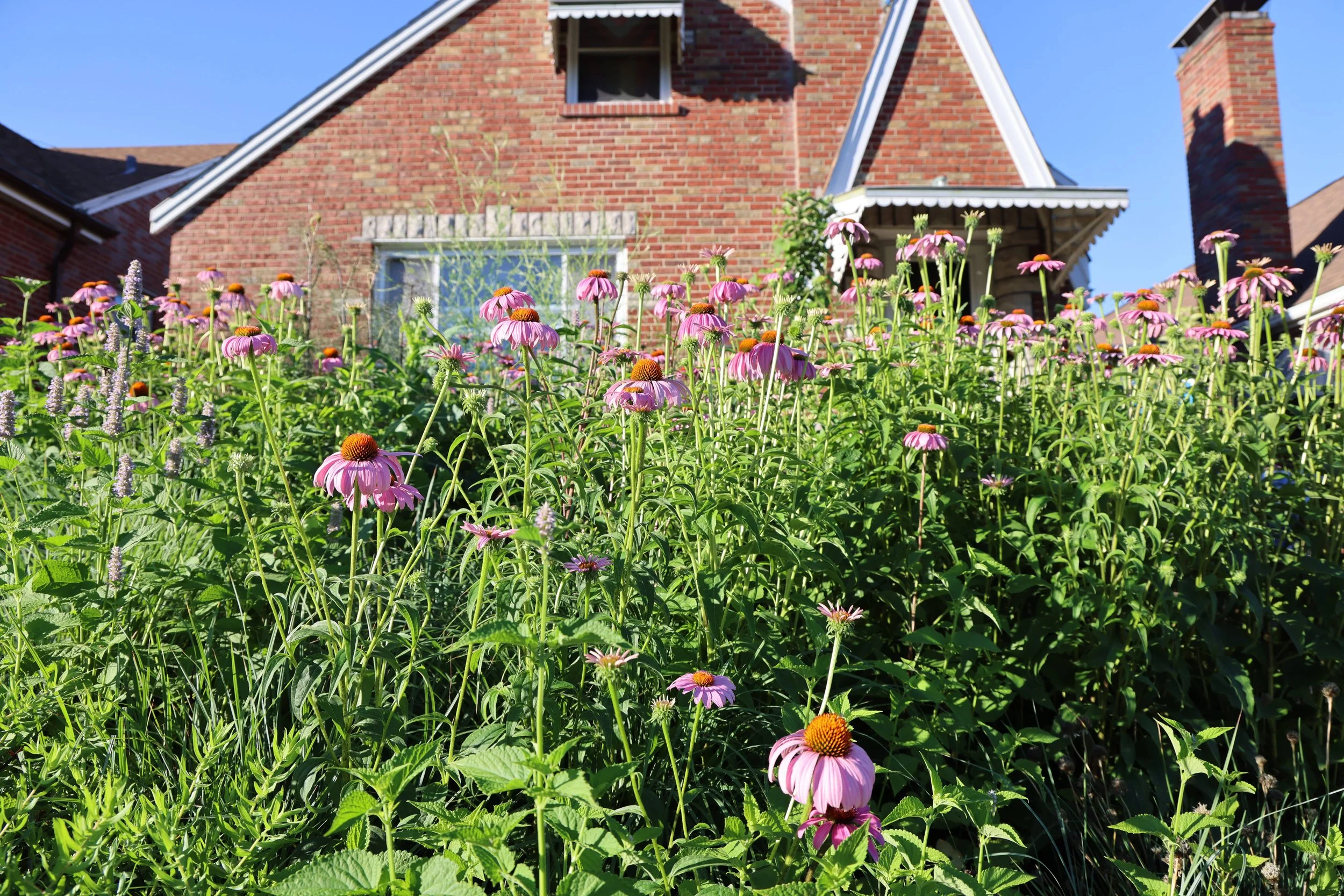
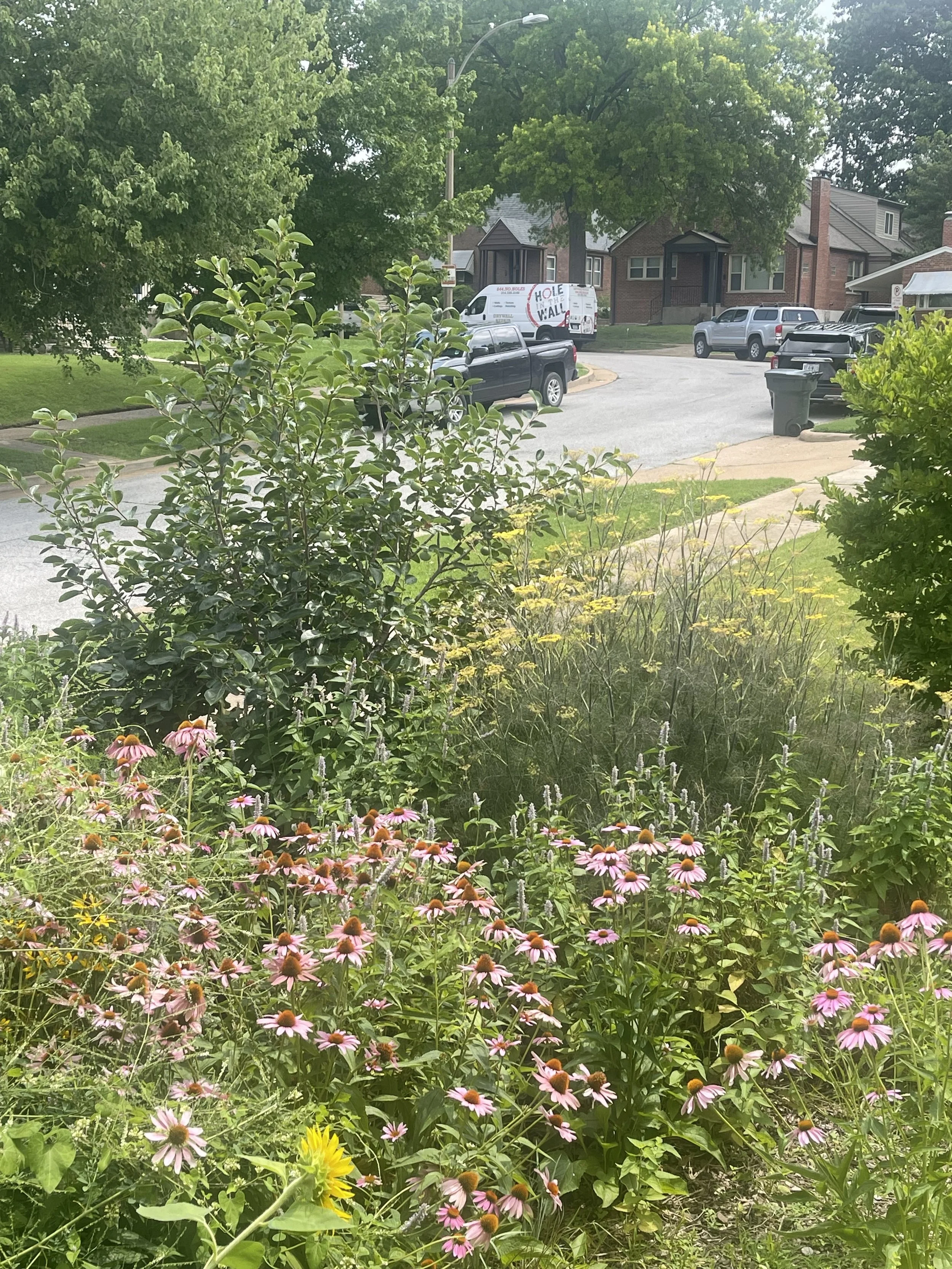
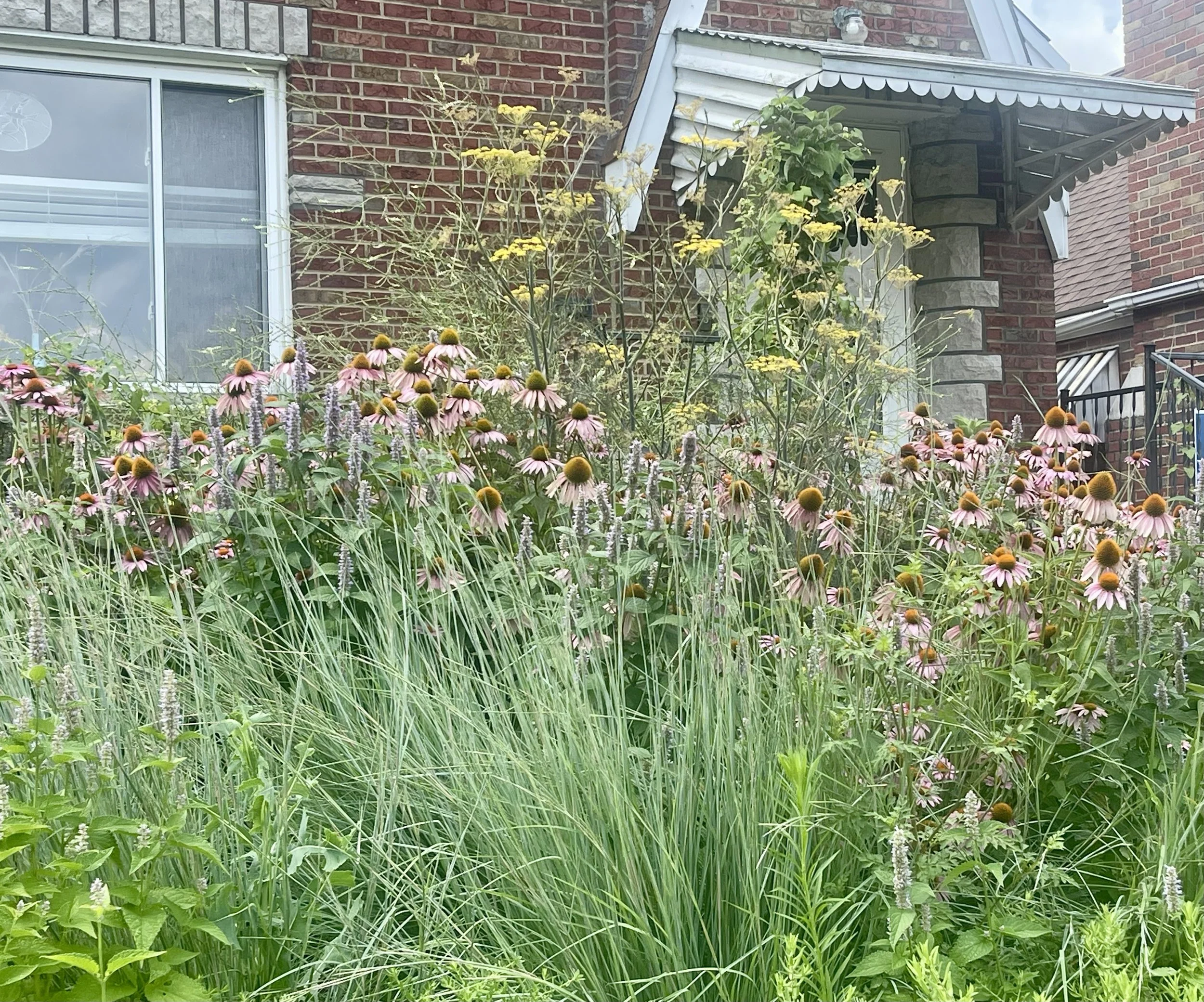
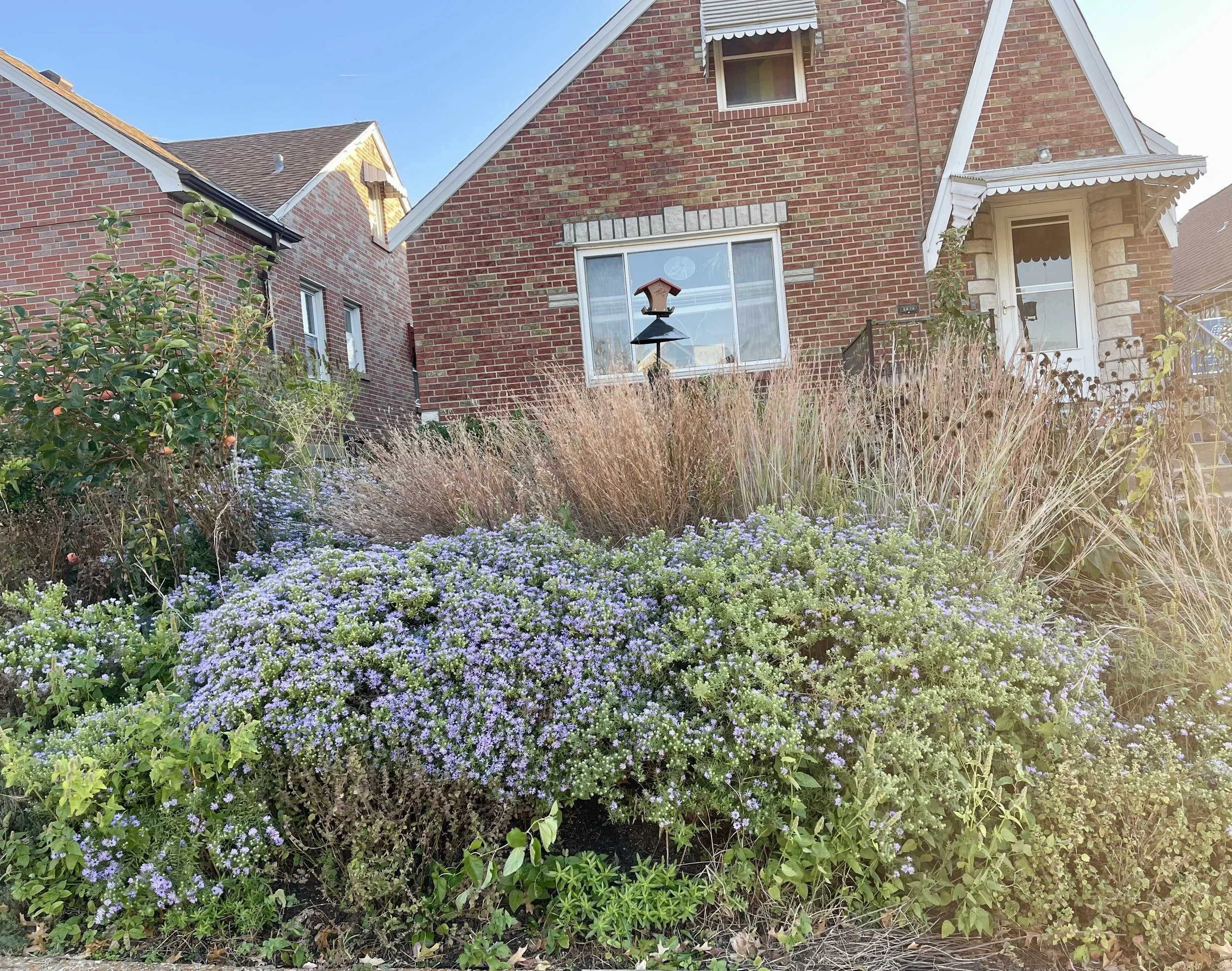
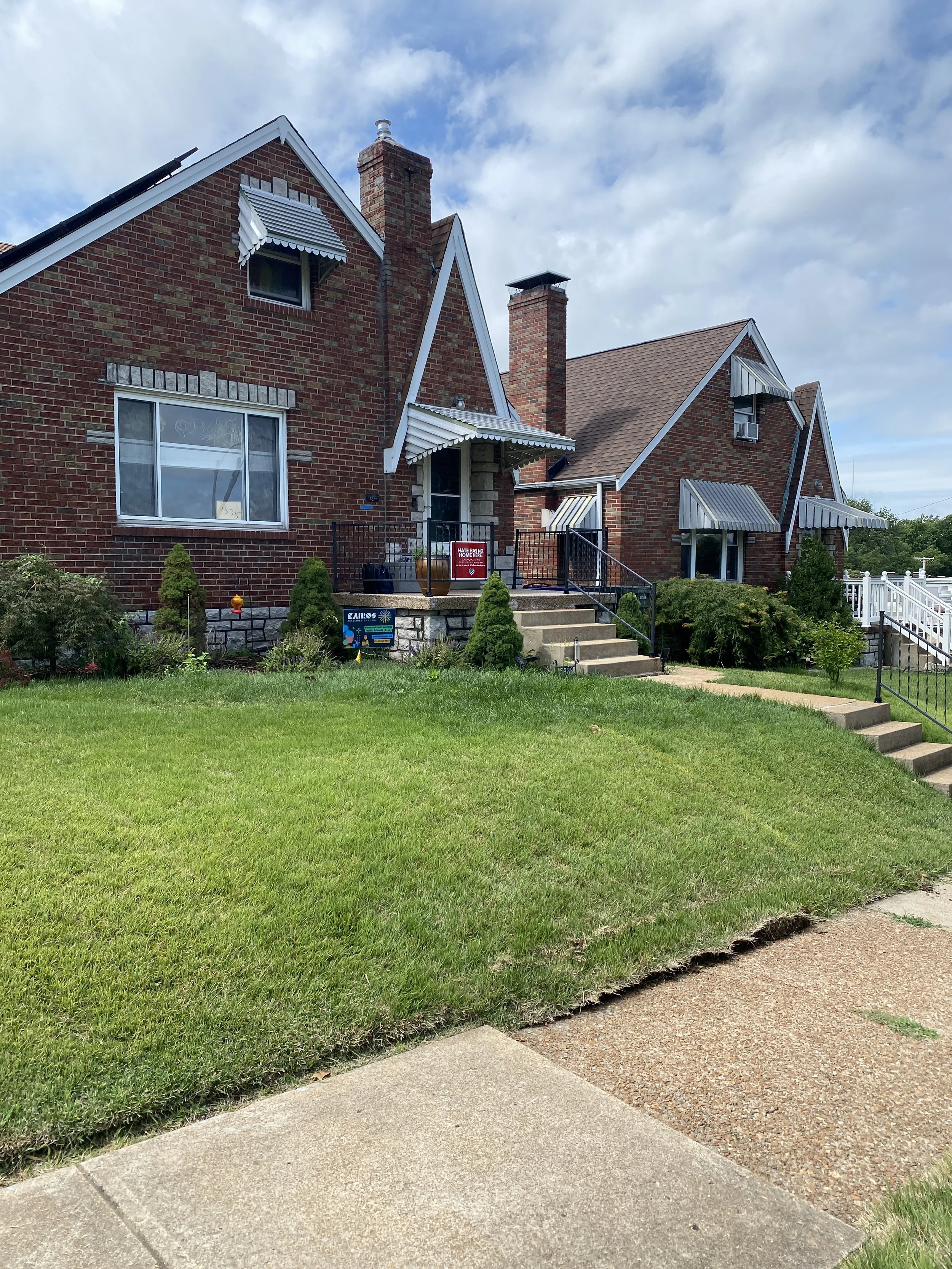
This sunny front yard looked tidy from the street, but its steep slope made mowing difficult and unpleasant. We designed and installed a mostly native landscape to replace the lawn, hold the soil in place, and bring seasonal color and pollinator habitat to the hillside.
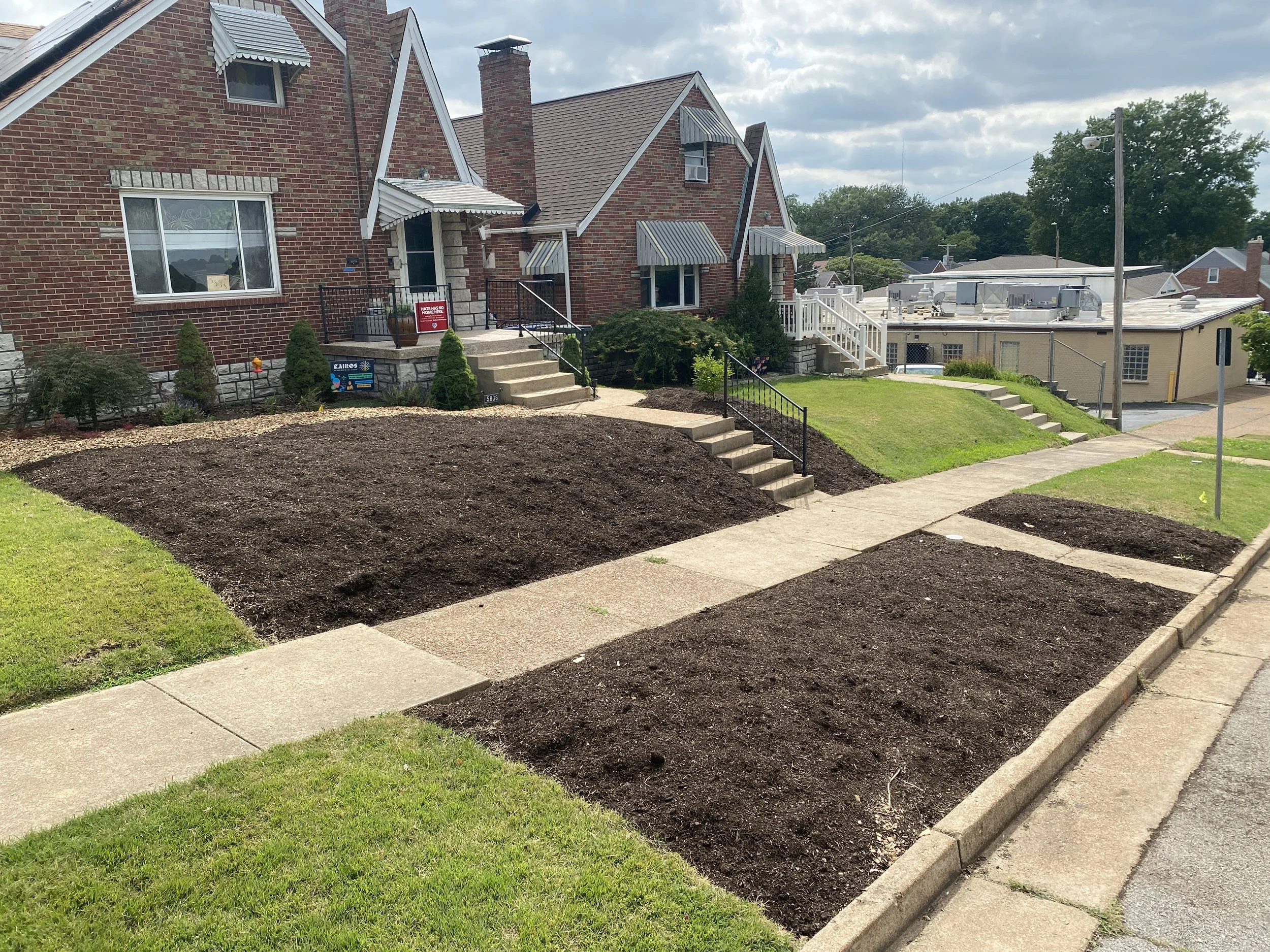
To minimize soil disturbance, we sheet-mulched the existing grass in fall with cardboard and wood chips, leaving it to decompose over winter. Shallow trenches along the sidewalk and driveway helped catch mulch during heavy rains and keep the edges clean.
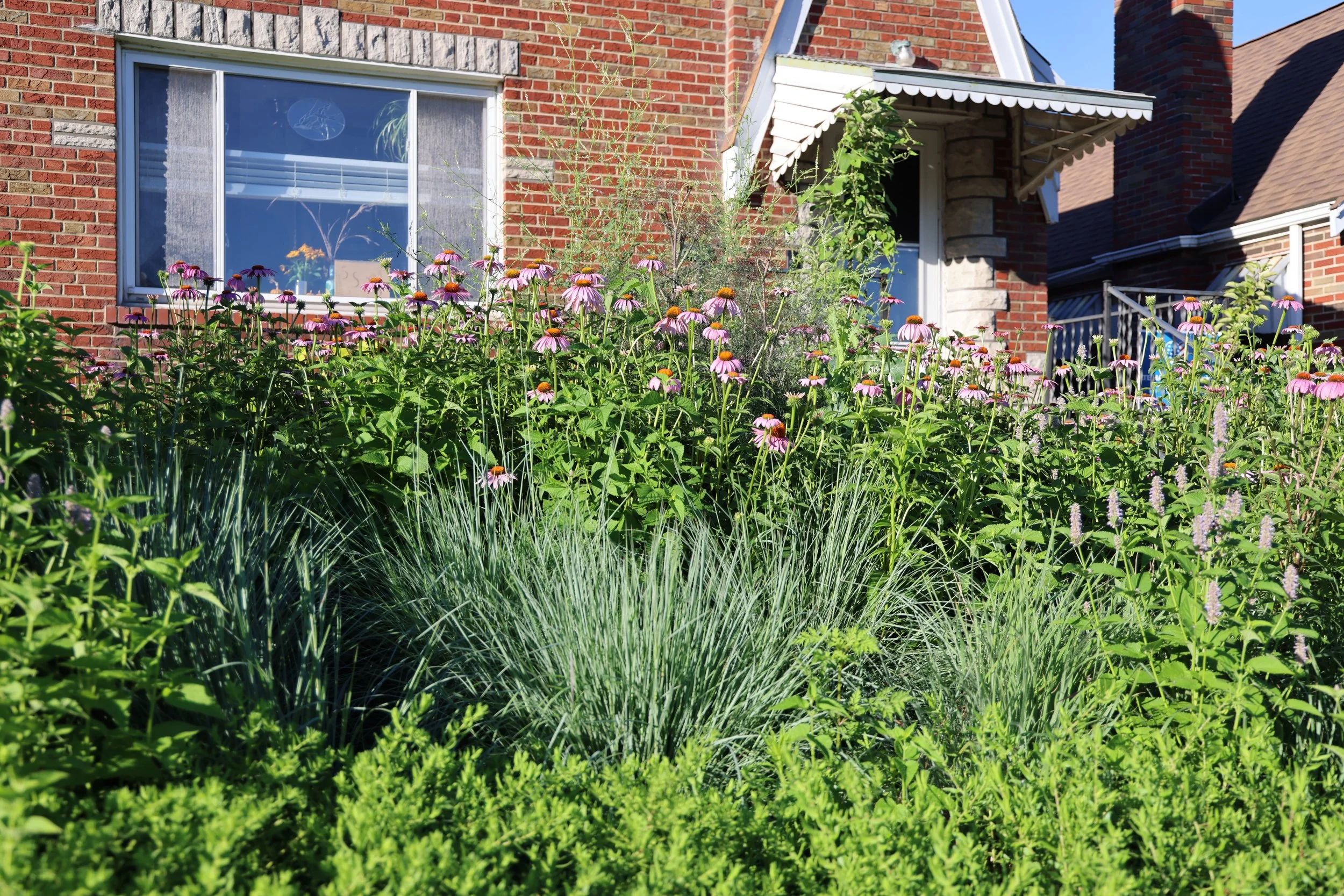
In spring, we planted deep-rooted native grasses, flowering perennials, and groundcovers, with a tree anchoring the corner and select edible plants, including American spikenard, near the house.
By the second growing season, the planting had filled in dramatically. A challenging lawn had become a vibrant garden with living roots stabilizing the slope, flowers supporting pollinators, and texture that carried through the seasons—all without the weekly mowing routine.